
Nerve Flossing for Stubborn Knee Pain
Your patient's knee has been evaluated, imaged, mobilized, massaged, taped, and strengthened. Lumbar motion has been restored. The foot arches are supported. The quad is firing. The glutes are online. And it still hurts on the stairs. You've done everything the textbook prescribes for anterior knee pain, yet the needle won't move.
If the nerve is the pain generator, strengthening a muscle or mobilizing a joint alone may never fully solve the problem. Before you write it off as a stubborn case, ask a question almost no one asks about a knee: Is the femoral nerve healthy?
Patellofemoral pain syndrome (PFPS) is one of the most common causes of knee pain in active adults, but emerging evidence suggests that a meaningful subset of these patients are not dealing with a purely mechanical or muscular problem—they have a neurodynamic one.
Recent studies show that patients with anterior knee pain can present with altered mechanosensitivity of the femoral nerve, a driver that a standard knee workup routinely misses.
This blog is your guide to catching it. We'll cover why the femoral nerve matters in knee pain, the simple tests that reveal it, how to treat it in-office, and the home nerve-flossing program you can send patients out the door with today.
Key Takeaways
More than a quarter of patients with Patellofemoral Pain Syndrome exhibit increased mechanosensitivity of the femoral nerve. (1)
The femoral nerve slump test and the Prone Knee Bend screen for it can be performed in about 30 seconds. (1)
A recent RCT found that femoral neurodynamic techniques provided additional benefit over standard care in patients with Patellofemoral Pain Syndrome. (3)
Femoral nerve flossing is simple, safe, and improves pain and function in early knee OA. (5,6)
1. What's Really Driving the Knee Pain?
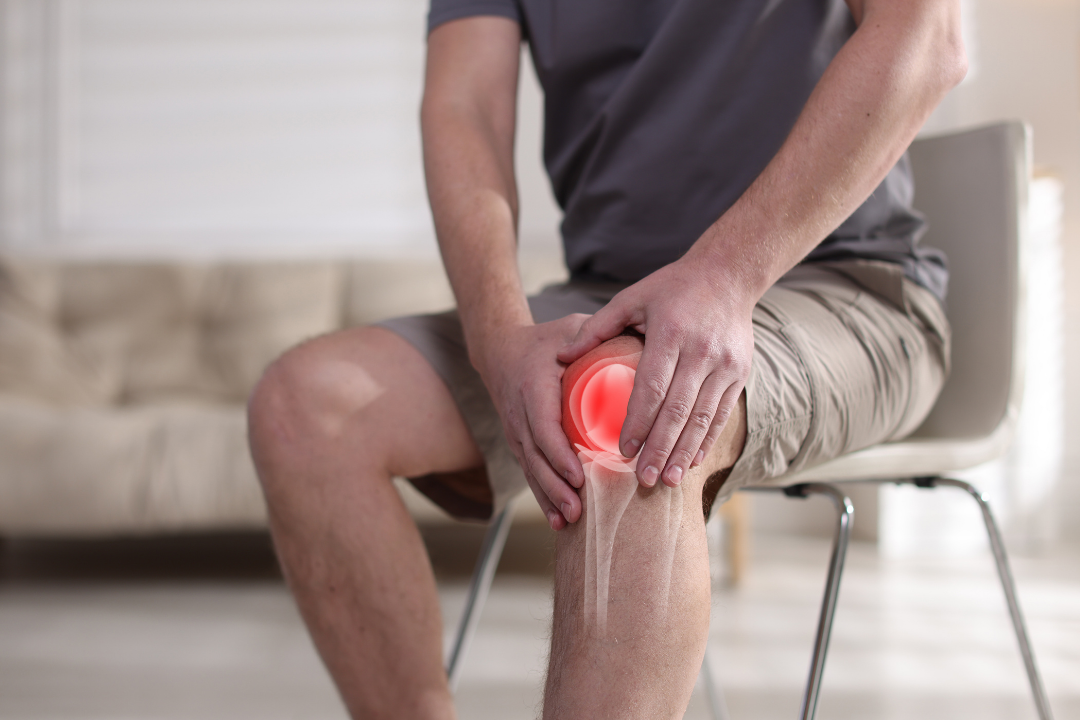
Patellofemoral Pain Syndrome is characterized by diffuse pain around and behind the patella, typically aggravated by stairs, squatting, or prolonged sitting. The traditional model treats it as a problem of malalignment, muscle imbalance, or overload, and for many patients, that model works.
But it doesn't work for everyone, and that's the tell. When a well-designed strengthening and loading program plateaus, it's worth asking whether the nervous system itself is contributing. Emerging evidence indicates that musculoskeletal pain syndromes, including Patellofemoral Pain Syndrome, may be associated with underlying neurodynamic disorders of the femoral nerve. (1)
2. Why the Femoral Nerve Matters in Knee Pain
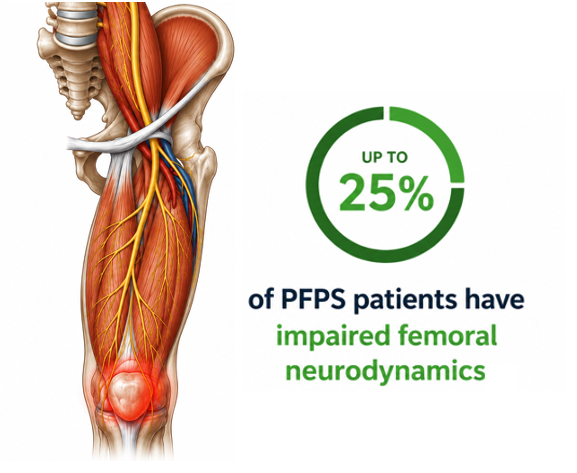
A healthy peripheral nerve glides and tolerates tension as the limb moves. When that capacity is compromised, the nerve becomes mechanosensitive; it produces symptoms in response to movements and loads it normally tolerates. In the anterior knee, that mechanosensitivity can masquerade as, or coexist with, classic patellofemoral pain.
The scale of this is larger than most clinicians assume. In a 2025 small cross-sectional study of 100 patients with unilateral Patellofemoral Pain Syndrome, more than one-quarter demonstrated increased mechanosensitivity of the femoral nerve, confirming a notable prevalence of neurodynamic involvement in this population. (1)
3. Who Should You Suspect It In?
Consider femoral neurodynamic involvement in the anterior knee pain patient who:
Reports symptoms with stairs, squatting, kneeling, or prolonged sitting
Has persistent peripatellar pain despite an appropriate strengthening and loading program
Has unilateral symptoms with a clear side-to-side difference on neurodynamic testing
This isn't a fringe subgroup. Given that more than a quarter of Patellofemoral Pain Syndrome patients screen positive on femoral neurodynamic testing, the more relevant question is not whether you'll see it, but whether you're testing for it.
4. How to Test for Femoral Neurodynamic Involvement
Two tests you can add to any knee exam in 30 seconds
Two femoral neurodynamic tests are used in everyday practice, and the recent Patellofemoral Pain Syndrome research used both to quantify femoral nerve involvement. (1,2)
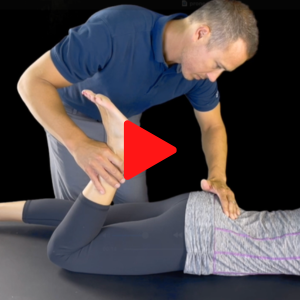
Prone Knee Bend: With the patient prone, the clinician passively flexes the knee to bring the heel toward the buttock, loading the femoral nerve. Reproduction of the patient's anterior thigh or knee symptoms suggests femoral mechanosensitivity.
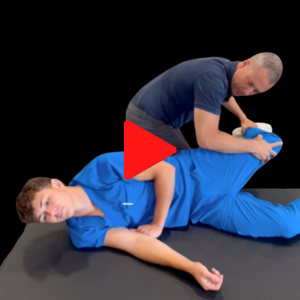
Femoral Nerve Slump Test: The clinician positions the patient in side-lying with the test leg uppermost. The patient fully flexes the trunk while maintaining the head and neck in a neutral position. The hip and knee of the upper leg are flexed to approximately 90 degrees. The clinician then passively extends the hip until symptoms are reproduced and instructs the patient to alternately flex and extend the cervical spine while monitoring for changes in symptom intensity. A positive test reproduces the patient's anterior knee pain, which increases with cervical flexion and decreases with cervical extension, suggesting increased femoral nerve mechanosensitivity and supporting a neurodynamic contribution to anterior knee pain.
In the 2025 cross-sectional study, positive rates were 36% for the Prone knee bend and 25% for the Femoral nerve slump test. (1) A practical approach is to screen with the Prone knee bend and confirm with the Femoral nerve slump test, using structural differentiation to distinguish neural from musculotendinous sources.
Deeper Dive: Check out our webinar, Solving Anterior Knee Pain, for a comprehensive, step-by-step approach to evaluating and treating patients with anterior knee pain.
5. How to Treat It in the Office
A practical in-office treatment protocol for patellofemoral pain syndrome includes:
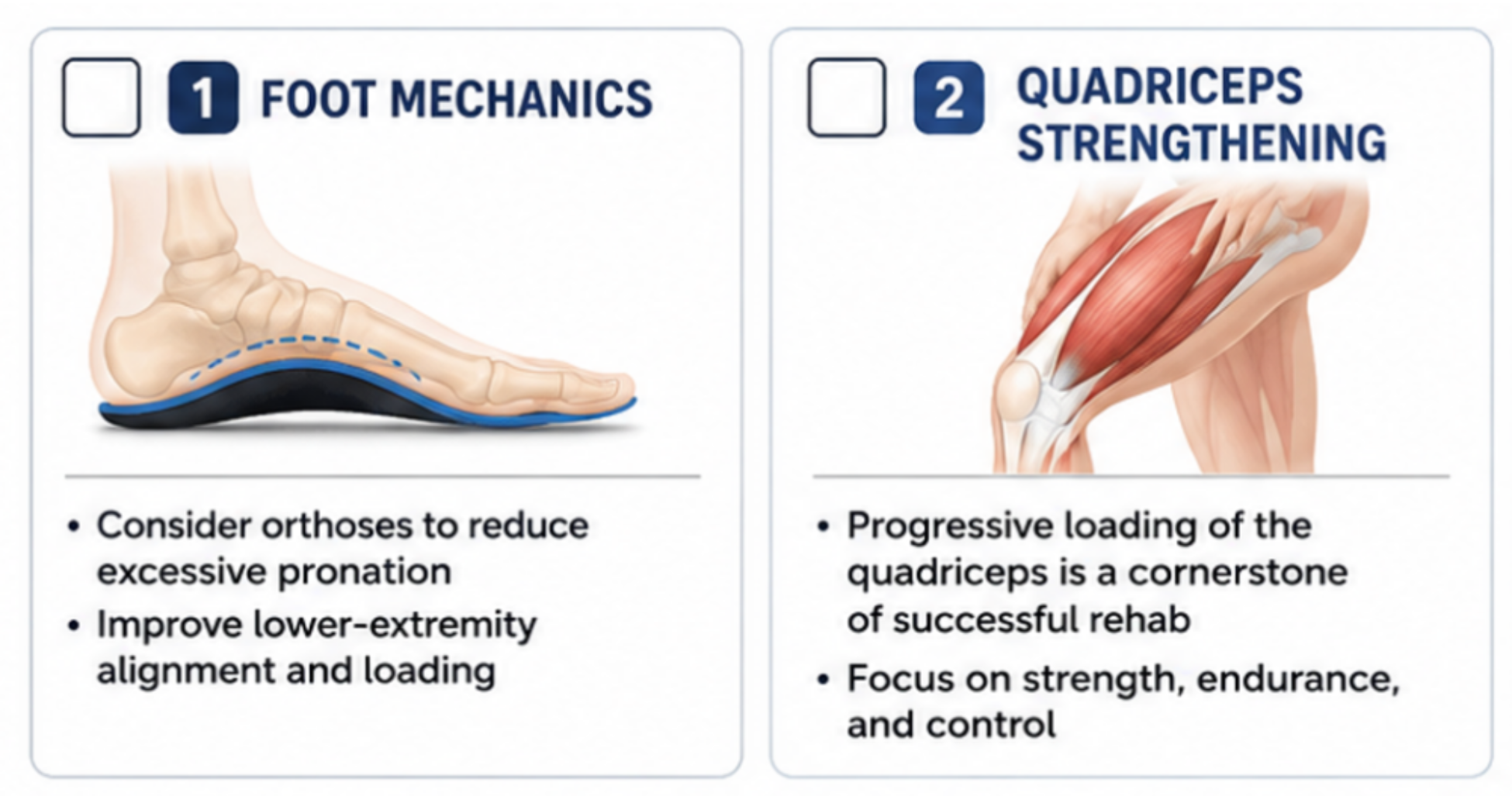
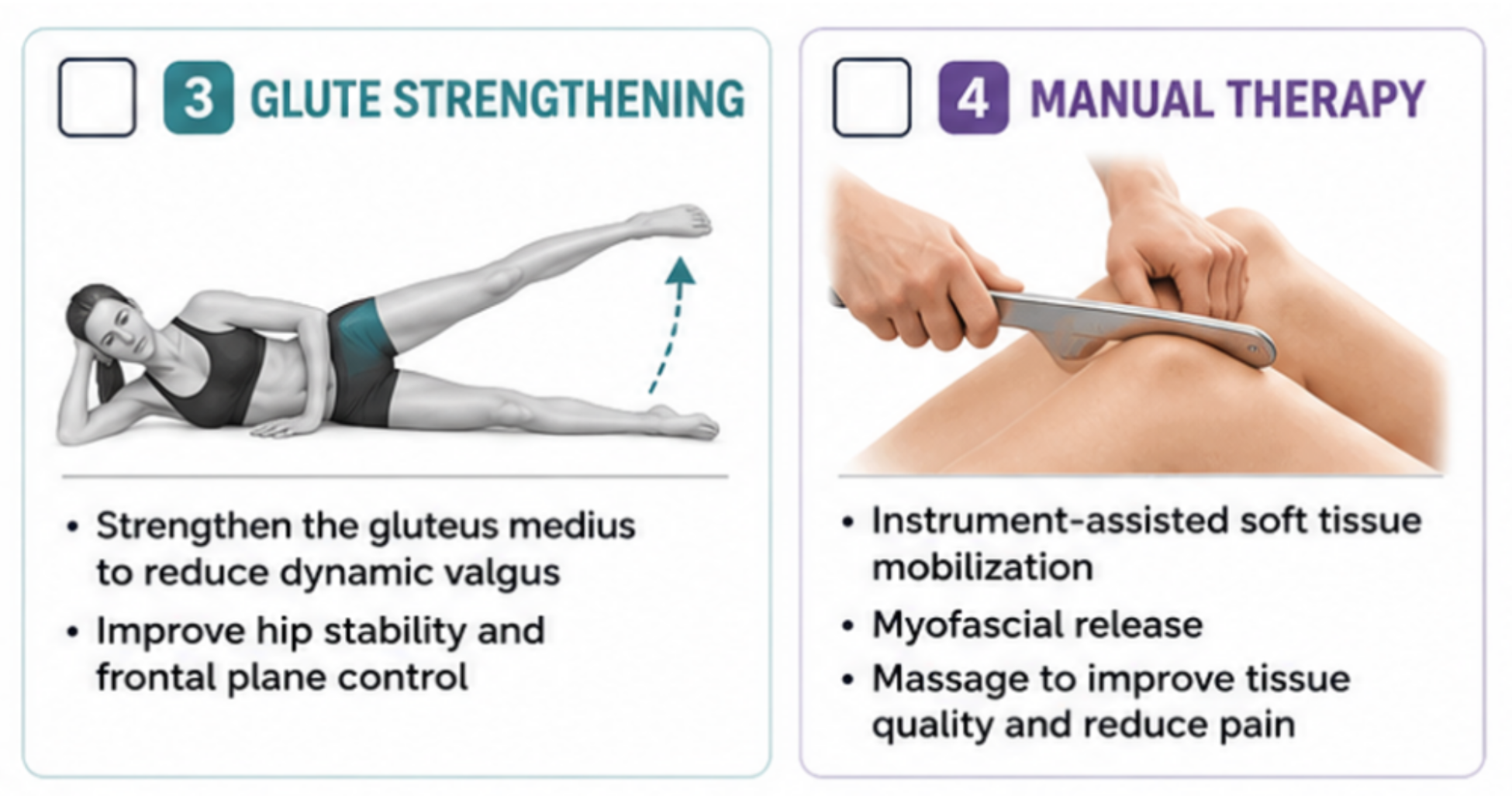
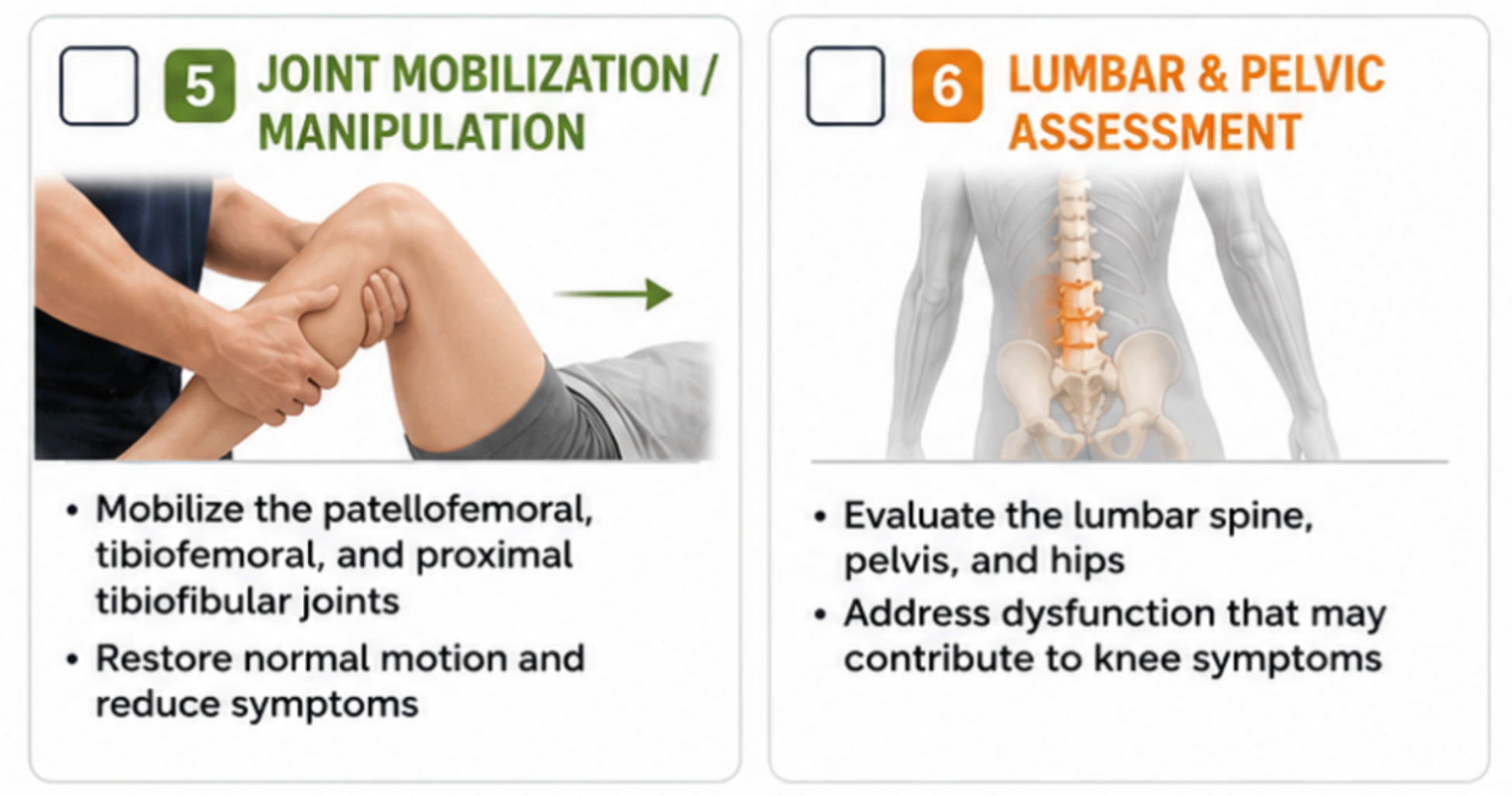
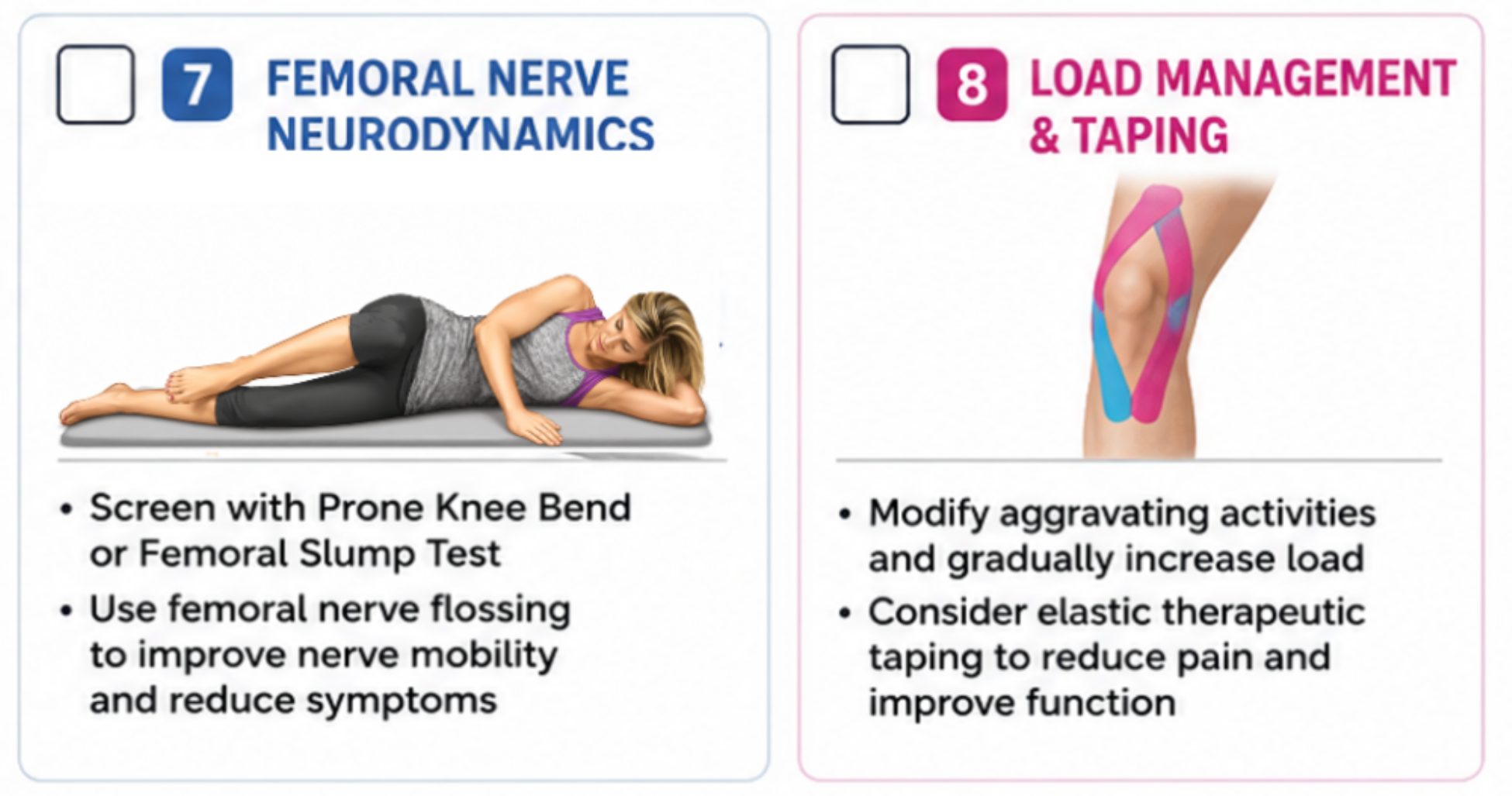
Alongside strengthening and load management, treatment should also focus on restoring normal femoral nerve mobility and reducing mechanical irritation.
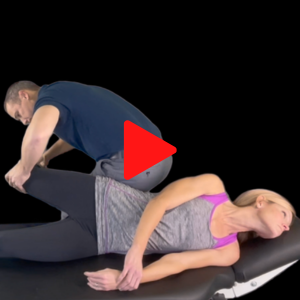
A 2026 randomized controlled trial in patients with patellofemoral pain syndrome found that adding femoral nerve flossing to standard care produced significantly greater improvements in pain during squatting, stairs, kneeling, and sitting, and improved knee function beyond that achieved with exercise alone. (3)
ChiroUp subscribers can review the femoral nerve flossing tutorial video at any time in the Clinical Skills > Treatment Techniques library.
The evidence extends beyond PFPS. In post-traumatic knee osteoarthritis, a 2026 randomized trial reported that adding neurodynamic mobilization to conventional treatment led to significantly improved outcomes over eight weeks.
“Neurodynamic mobilization effectively reduces pain, improves knee function, and enhances lower limb balance in patients with mild post-traumatic knee osteoarthritis.”(4)
Deeper Dive: Check out our previous blog, 4 Simple Nerve Flossing Exercises for the Lower Extremity, for a comprehensive overview of femoral, sciatic, tibial, and peroneal nerve flossing techniques.
6. What Home Care Helps?
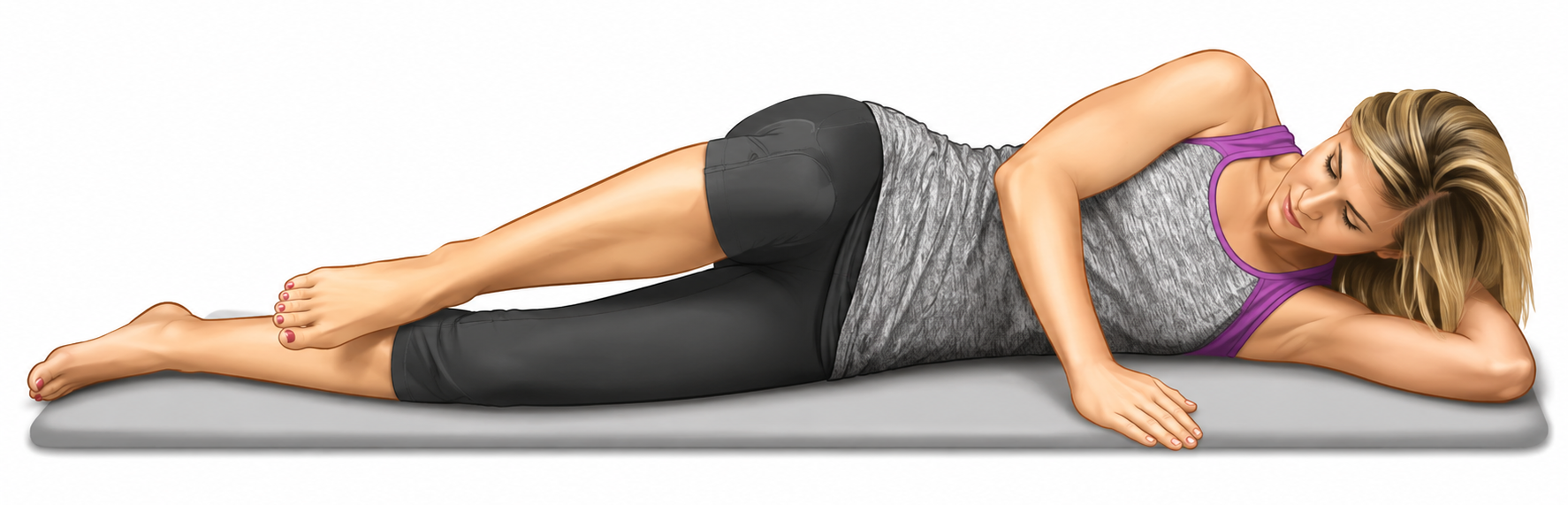
Outcomes improve when patients keep the nerve moving at home, and there's now direct evidence supporting a home-based femoral nerve program. In an open clinical trial of patients with knee osteoarthritis, an active home-based femoral nerve neurodynamic program produced positive effects on pain and function. (5)
An earlier feasibility study from the same group concluded that more than 93% of participants reported the home femoral nerve flossing program was beneficial, with significant improvements in pain, function, and pain sensitivity after just 6-8 weeks. (6)
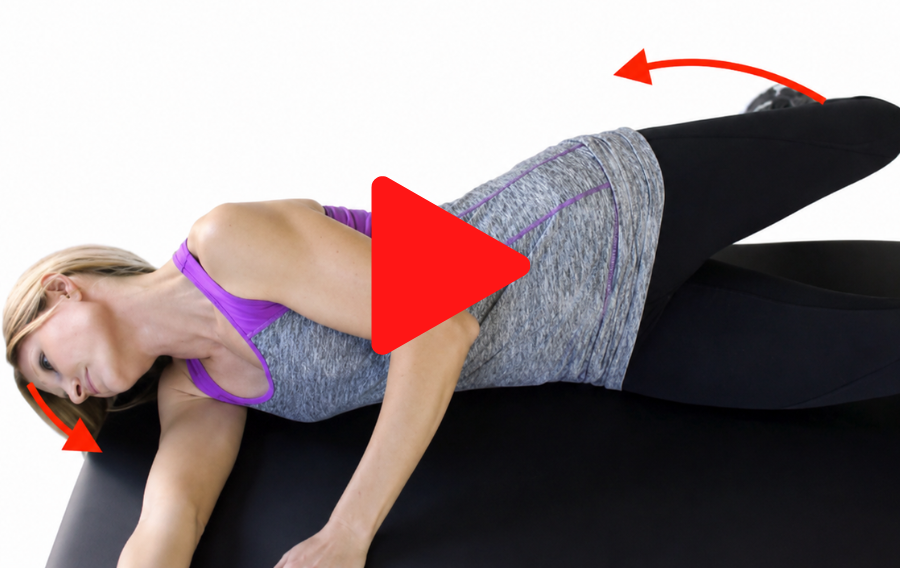
Femoral Nerve Flossing: Begin in a side-lying position with your affected side up. Flex your hip and knee as shown. Slowly move your affected leg and knee into extension. As you move your leg, extend your head, as if to look back. Return to the start position by flexing your hip while simultaneously looking down with your head. This exercise should not create or intensify any buttock or leg pain. Perform as directed.
The protocol is simple (5):
Femoral nerve mobilization, performed as a home program for 6–8 weeks
20 repetitions per day, typically split into 10 in the morning and 10 in the evening
Deeper dive: Want a better way to deliver your exercises and tutorial videos to patients?
Generate a customized, condition-specific Report of Findings and exercise plan in just four clicks, including a plain-language explanation of the patient's condition, your recommended treatment plan, the most relevant activities of daily living (ADL) modifications, and evidence-based home exercises tailored to conditions such as patellofemoral pain syndrome and knee osteoarthritis.
Conclusion
Anterior knee pain that resists a sound strengthening program isn't always a strengthening problem. For a substantial share of these patients, the femoral nerve has lost its ability to glide, and that mechanosensitivity is driving symptoms that no amount of quad work will resolve.
The fix is well within the chiropractic wheelhouse: a 30-second neurodynamic screen you can add to any knee exam, in-office mobilization now supported by randomized evidence, and a straightforward home flossing program the patient can carry forward. By testing the nerve (not just the joints and the muscles), you position yourself as the clinician who finally figures out the knee that everyone else gave up on.
What if your EHR included a Clinical GPS with this type of guidance?
Imagine documenting while your software reminds you of the most appropriate orthopedic tests, differential diagnoses, treatments, exercises, and patient education for every condition you treat. That's exactly what ChiroUp was designed to do. As a bonus, more than 80% of subscribers report saving 1–3 minutes or more per note.
If your goal is better clinical care with less documentation, schedule a workflow consultation with one of our advisors today and see how ChiroUp can fit into your practice.
Frequently Asked Questions
-
When a well-designed strengthening program plateaus, the nervous system may be contributing. Recent evidence shows that more than a quarter of patients with patellofemoral pain exhibit increased mechanosensitivity of the femoral nerve, a driver that standard knee exams rarely assess. (1)
-
Two clinic-friendly tests are used: the Prone Knee Bend and the Femoral Nerve Slump Test. Both load the femoral nerve, and a structural differentiation maneuver (neck flexion or extension) helps confirm whether the symptoms are neural. In recent data, the Prone Knee Bend was positive in 36% of Patellofemoral Pain Syndrome patients versus 25% for the Femoral Nerve Slump Test. (1)
-
Femoral nerve flossing is a neurodynamic exercise that restores the nerve's ability to glide, using gentle "slider" movements early and progressing to "tensioners." It can be performed manually in the office and prescribed as a simple home program.
-
Early evidence is encouraging. A home-based femoral nerve program improved pain and function in people with mild knee osteoarthritis and was shown to be feasible and safe. A 2026 randomized trial found benefit for pain, function, and balance in mild post-traumatic knee OA. The evidence on osteoarthritis is still early-stage, so results should be interpreted with appropriate caution. (4,5,6)
-
Yes. In-office manual therapy, femoral nerve mobilization, soft-tissue work, and a home flossing program align with the recent evidence, including a randomized trial showing an added short-term benefit when femoral neurodynamic techniques are layered on top of standard care. (1,3)

-
1. Zamani S, Abbaszadeh-Amirdehi M, Talebi G, Tavassoli M, Esmaeilnejadganji SM, Gholinia H. Prevalence of femoral nerve neurodynamic disorder in patients with patellofemoral pain syndrome: a cross-sectional study. BMC Musculoskelet Disord. 2025;26:700. Link
2. Vegstein K, Robinson HS, Jensen R. Neurodynamic tests for patellofemoral pain syndrome: a pilot study. Chiropractic & Manual Therapies. 2019 May 8;27(1):26. Link3. Gerami R, Abbaszadeh-Amirdehi M, Talebi G, Sepidarkish M, Tavassoli M. Effect of Femoral Nerve Neurodynamic Techniques on Pain in Patellofemoral Pain Syndrome: A Randomised Controlled Trial. Clin Rehabil. 2026 Jun 1:2692155261432693. Link
4. Hu JR, He MX, Wei SS, Ren HW, Liu CH, Liu XL, et al. Effect of neurodynamic mobilization on lower limb function in patients with mild post-traumatic knee osteoarthritis. World J Orthop. 2026;17(1):111927. Link
5. Serrano-García B, Martínez-Cepa CB, Forriol F, Zuil-Escobar JC. Active Neurodynamic Technique at Home in Patients with Knee Osteoarthritis: An Open Single Arm Clinical Trial. Medicina (Kaunas). 2024;60(11):1857. Link
6. Serrano-García B, Forriol-Campos F, Zuil-Escobar JC. Active Neurodynamics at Home in Patients with Knee Osteoarthritis: A Feasibility Study. J Clin Med. 2023;12(20):6635. Link