
Same Heel Pain, Different Problem: The Truth About Low vs High Arch Plantar Fasciitis
The Low Arch Patient: Not Broken… Just Undertrained
Picture the low-arch foot as a system that moves a lot: it pronates, it spreads, it absorbs load like it’s trying to be helpful, but without enough muscular support, that help turns into overload. Traditionally, this foot has been labeled “the problem.” Flat feet, weak feet, dysfunctional feet.
But here’s where the story takes a turn.
Research shows that people with painful flat feet don’t just have low arches; they have smaller and weaker muscles, particularly the flexor digitorum longus, quadratus plantae, and abductor hallucis. Meanwhile, people walking around with the exact same arch shape, completely pain-free, tend to have stronger versions of those same muscles.
So the arch itself? Not guilty. The real issue is that the system doesn’t have the horsepower to manage the load it’s already experiencing. Here’s the good news chiropractors love:
It’s fixable with chiropractic treatment and rehab.
1. Restore ankle mobility first: improving dorsiflexion through joint mobilization and manipulation reduces compensatory stress on the plantar fascia. (1)
2. Stretch what actually matters: targeting the gastrocnemius–soleus complex is more effective than traditional Achilles stretching for relieving plantar fasciitis symptoms. (2)
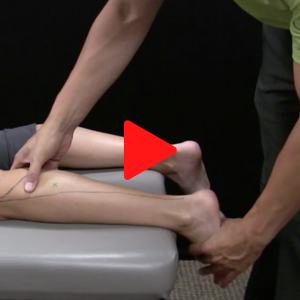
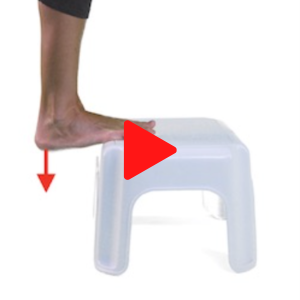
3. Build a stronger system: strengthening the gastroc, soleus, posterior tibialis, and intrinsic foot muscles—especially with eccentric heel raises and great toe dorsiflexion—helps offload the plantar fascia and improve outcomes. (3)
The High Arch Patient: Strong Looking… But Not Always Strong
Now, let’s talk about the high arch foot. At first glance, it looks like the overachiever in the room. This foot doesn’t absorb shock well. It doesn’t adapt. It doesn’t “give.” Instead, it transfers load like a rigid lever straight into the heel and forefoot.
That’s why high arch patients tend to show up with stress fractures, lateral ankle sprains, and plantar fasciitis. If the low-arch foot is too flexible, the high-arch foot is too stubborn. And stubborn systems are notoriously harder to retrain.
Runners with extremely LOW arches were 20 times more likely to be injured than people with neutral foot postures, and runners with extremely HIGH arches were 76.8 times more likely to be injured!
A runner at a moderate pace takes roughly 1,200 steps per mile, while a walker averages about 2,300 steps per mile, adding up to tens of thousands of loading cycles on the foot each week. During push-off, the plantar fascia can absorb up to 7x body weight, turning routine activity into repeated, high-load microstress rather than simple exercise.
The Big Mistake: treating the shape instead of the system. For years, treatment has revolved around the arch itself. Support it, brace it, correct it, “fix” it. But the more recent research is pointing us in a different direction. One that’s a lot more interesting and, frankly, a lot more effective:
Stop focusing on structure… and start focusing on performance.
When chiropractors take a step back, it becomes clear that plantar fasciitis isn’t really an “arch problem” at all—it’s a load management problem. Whether a patient has a high or low arch, the common thread is how well their foot can withstand stress. Both groups ultimately need strengthening to improve capacity and resilience. The injury may present differently depending on the arch, but the solution follows the same principles.
Why Low-Arch Patients Often Do Better Than You Expect
Here’s a thought that tends to raise eyebrows: Low-arch patients may actually have an easier time getting out of pain. Not because their foot is “better,” but because it’s more adaptable.
Their system already knows how to move. It already knows how to absorb force. It just needs better control and more strength layered on top. Give that foot a structured strengthening program, and it often responds quickly. Pain drops, function improves, and suddenly that “problem foot” starts looking pretty capable.
Across the ChiroUp network worldwide, the two most consistently utilized go-to exercises for building foot strength are the single-leg stance and Vele’s exercise—both effective starting points for patients with either high or low arches.

Single-Leg Stance

Vele’s
The Real Game Changer: Strength
If there’s one thing the research keeps whispering (and sometimes shouting), it’s this: Strength changes everything.
The flexor digitorum longus helps stabilize the lateral column and prevent midfoot collapse. The quadratus plantae improves force direction and efficiency. The abductor hallucis dynamically supports the medial arch. (4)
When those muscles are weak, the plantar fascia gets overloaded. When they’re strong, the load gets shared. It’s less stress on the tissue, less irritation at the heel, and a much happier patient.
And the numbers back it up. Strengthening programs have been shown to significantly improve foot muscle strength in just a few weeks, while dramatically reducing injury rates over time. Be sure to download the condition report from ChiroUp at the end of the blog to start prescribing the best exercises to first mobilize, then stabilize the foot for your patients with Plantar Fasciitis.
What Can Chiropractors Do Differently To Treat Plantar Fasciitis?
Start thinking less like a structural engineer and more like a performance coach.
The low-arch patient doesn’t need to be “held together” with orthotics forever. They need to be trained, so their foot can do their job without help.
The high-arch patient might still benefit from support, but they also need strategies to improve shock absorption, mobility, and muscular contribution.
Either way, if you’re not addressing strength, you’re only solving part of the problem. Plantar fasciitis isn’t just a fascia issue; it’s a load management issue. When you stop chasing the shape of the foot and start improving its performance, something interesting happens: patients get better faster, results last longer, and suddenly, that “flat foot problem” doesn’t look like a problem at all.
FAQs
-
Both low-arch and high-arch feet can contribute to plantar fasciitis, but for different reasons. Low-arch feet tend to overload the plantar fascia due to poor muscular support and excessive motion, while high-arch feet create stress because they are too rigid and absorb shock poorly. The real issue is often poor load management and weakness, not simply foot shape alone.
-
Research-supported treatment for low-arch plantar fasciitis includes improving ankle dorsiflexion, stretching the gastrocnemius-soleus complex, and strengthening the intrinsic foot muscles, posterior tibialis, gastroc, and soleus. Eccentric heel raises, great toe dorsiflexion exercises, single-leg stance work, and Vele’s exercise are highlighted as effective strategies.
-
Studies show that arch shape alone does not predict pain. Many people with painless flat feet actually have stronger intrinsic foot muscles than symptomatic patients. The difference is often the foot’s ability to tolerate and manage load through strength and stability rather than the height of the arch itself.
-
The article explains that plantar fasciitis treatment should focus less on “fixing” foot structure and more on improving performance and load tolerance. While some patients may benefit from support or orthotics, long-term improvement often depends on strengthening the foot and lower leg muscles to reduce overload on the plantar fascia.
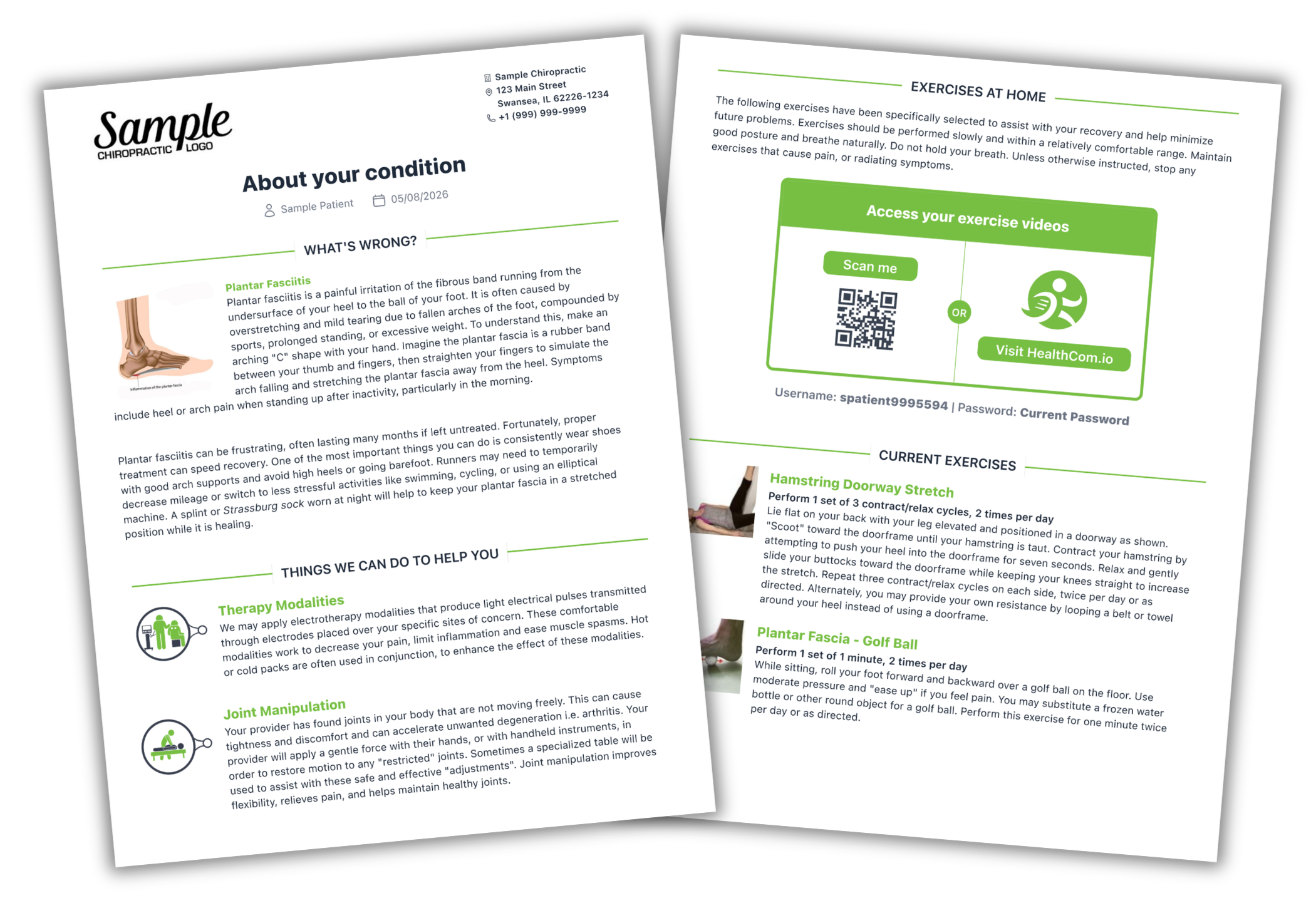
ChiroUp simplifies plantar fasciitis care with condition reports designed to improve patient education and compliance. Download a sample Plantar Fasciitis Condition Report to see what your patients could take home after their visit. Better education paired with better rehab helps patients get better—and stay better.
-
1. Young B, Walker MJ, Strunce J, Boyles R. A combined treatment approach emphasizing impairment-based manual physical therapy for plantar heel pain: a case series. Journal of Orthopaedic & Sports Physical Therapy. 2004 Nov;34(11):725-33. Link
2. Arif MA, Hafeez S. Effectiveness of Gastrocnemius-Soleus Stretching Program as a Therapeutic Treatment of Plantar Fasciitis. Cureus. 2022 Feb 23;14(2). Link
3. Rathleff MS, Mølgaard CM, Fredberg U, Kaalund S, Andersen KB, Jensen TT, Aaskov S, Olesen JL. High?load strength training improves outcome in patients with plantar fasciitis: A randomized controlled trial with 12-month follow-up. Scandinavian journal of medicine & science in sports. 2015 Jun;25(3):e292-300. Link
4. 36. Michaud T, New Techniques For Treating Plantar Fasciitis Competitor Group Published Mar. 6, 2014