
Delivering High-Quality Chiropractic Care
High-quality chiropractic care is defined by consistency, safety, and patient-centered decision-making. Clear standards help ensure care is delivered effectively across all stages of the patient journey.
A newly published Delphi consensus brings clarity to what high-quality chiropractic care looks like in practice. (1) This research defines the essential components of quality care and highlights common areas where it can fall short.
About These Recommendations
The original Delphi consensus process yielded a comprehensive set of 64 recommendations focused on high-quality chiropractic care. (1)
In this blog, we have summarized the 10 primary clinical behaviors that consistently emerged across those recommendations. Our goal was to translate the core intent of the consensus into practical, clinic-ready concepts that reflect how care is delivered on a day-to-day basis.
We are grateful to the authors and panelists for their work advancing evidence-informed, high-quality chiropractic care. This blog is intended to help spread and operationalize those recommendations, not replace or revise them.
Why High-Quality Care Breaks Down in Real Clinics
The Delphi consensus didn’t reveal anything surprising. Most evidence-informed chiropractors already agree with these recommendations. They align with how clinicians want to practice and how patients expect to be treated.
The gap isn’t desire.
The gap is execution.
High-quality care breaks down under real-world pressure:
Limited visit time
Documentation burden
Inconsistent workflows
Systems that rely on memory instead of structure
When best practices rely solely on effort, consistency suffers, even in well-run clinics. Great care shouldn’t require heroic effort. It should happen by default.
What System-Supported Best Practice Care Looks Like in Chiropractic Clinics
Supported care means best practices happen by default, not by memory.
In the sections below, each Delphi-endorsed recommendation is paired with what that same standard looks like when it’s supported by the systems used in daily clinical practice.
1. Comprehensive Intake Before the Visit Begins
Delphi recommendation:
Perform a condition-specific history along with a broader health screen (past health history, medications, review of systems, and red-flag screening) before initiating care.
System-supported care:
As soon as an appointment is scheduled, patients automatically receive an intelligent intake that captures condition-specific history before the visit. This is not a static clipboard form. It adapts to the patient’s complaint, asking the same targeted follow-up questions a skilled clinician would ask in person, so the visit begins with meaningful, decision-ready information rather than blanks and guesswork.

2. Chiropractic Psychosocial & Lifestyle Risk Screening
Delphi recommendation:
Screen for psychological, social, and lifestyle risk factors (e.g., activity level, tobacco use) that may influence outcomes or chronicity when clinically relevant.
System-supported care:
Patients begin with a small number of high-yield screening questions. If a concern is identified, deeper validated questionnaires are triggered automatically.
Lifestyle screening can be included or omitted at the clinician's discretion, maintaining efficient and patient-friendly intake.

3. Conducting a Focused Chiropractic Examination
Delphi recommendation:
Perform a problem-focused physical examination that directly informs diagnosis, care planning, and the need for referral.
System-supported care:
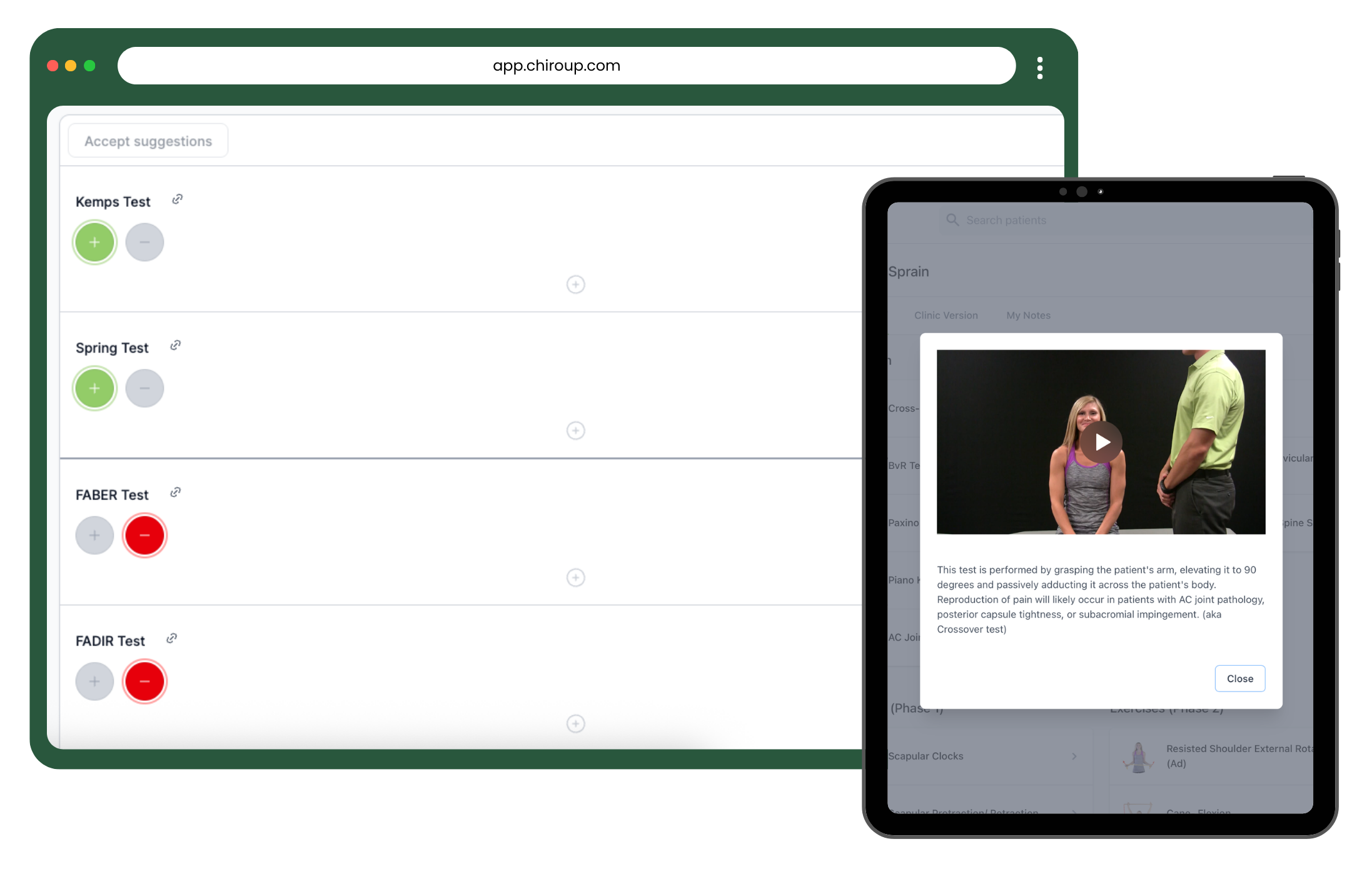
Condition-specific exam guidance pre-populates the most relevant tests and assessments for the suspected diagnosis, allowing clinicians to document efficiently and consistently while providing built-in tutorial videos when clarification is needed.
4. Using Baseline Outcome Measures to Guide Care
Delphi recommendation:
Assess baseline functional status and/or symptom severity using valid outcome measures at the initial evaluation (e.g., NDI, Oswestry).
System-supported care:
Intelligent intake determines the most appropriate outcome measure based on the chief complaint and automatically delivers it to the patient.
The same measures are reissued during scheduled re-exams without additional clinician effort.
5. Best Practices for Chiropractic Imaging and Documentation
Delphi recommendation:
Order diagnostic imaging only when clinically indicated and consistent with best-practice guidelines.
System-supported care:
When imaging is appropriate, relevant clinical indicators and medical necessity are clearly and automatically documented, supporting sound decision-making and compliant billing.
6. Clear Report of Findings & Shared Decision-Making
Delphi recommendation:
Deliver a clear report of findings that explains the suspected condition, outlines care options, sets therapeutic goals, addresses ADLs, and actively involves the patient in shared decision-making.
System-supported care:
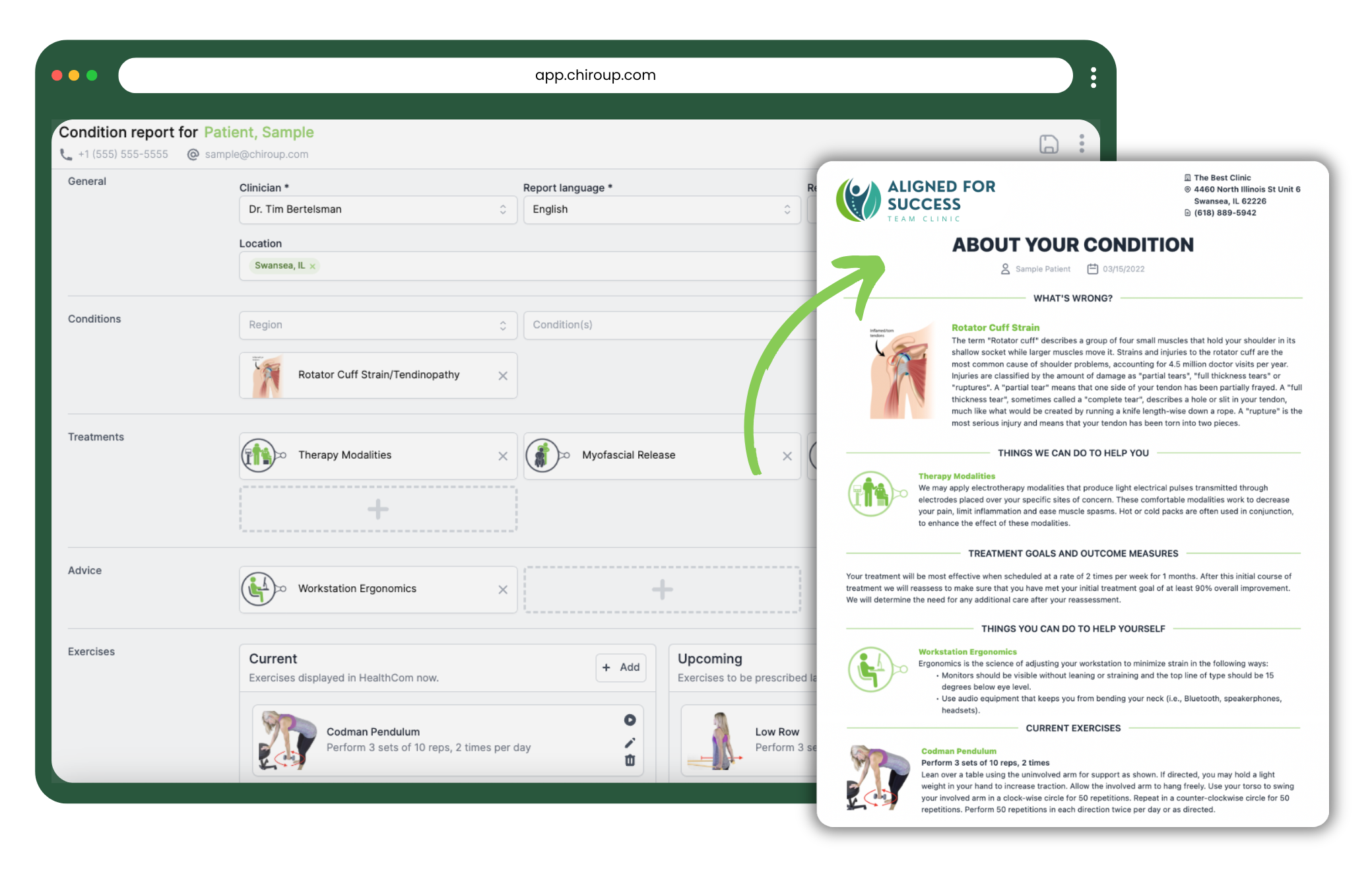
Once a diagnosis is selected, a condition-specific report of findings is automatically generated and ready for customization, translating the diagnosis, care plan, and goals into clear, patient-centered language that aligns everyone and supports informed follow-through.
7. Active Care & Patient Independence
Delphi recommendation:
Emphasize patient independence through education, self-management, and active care strategies, including supervised or home exercise and maintaining an active lifestyle.
System-supported care:
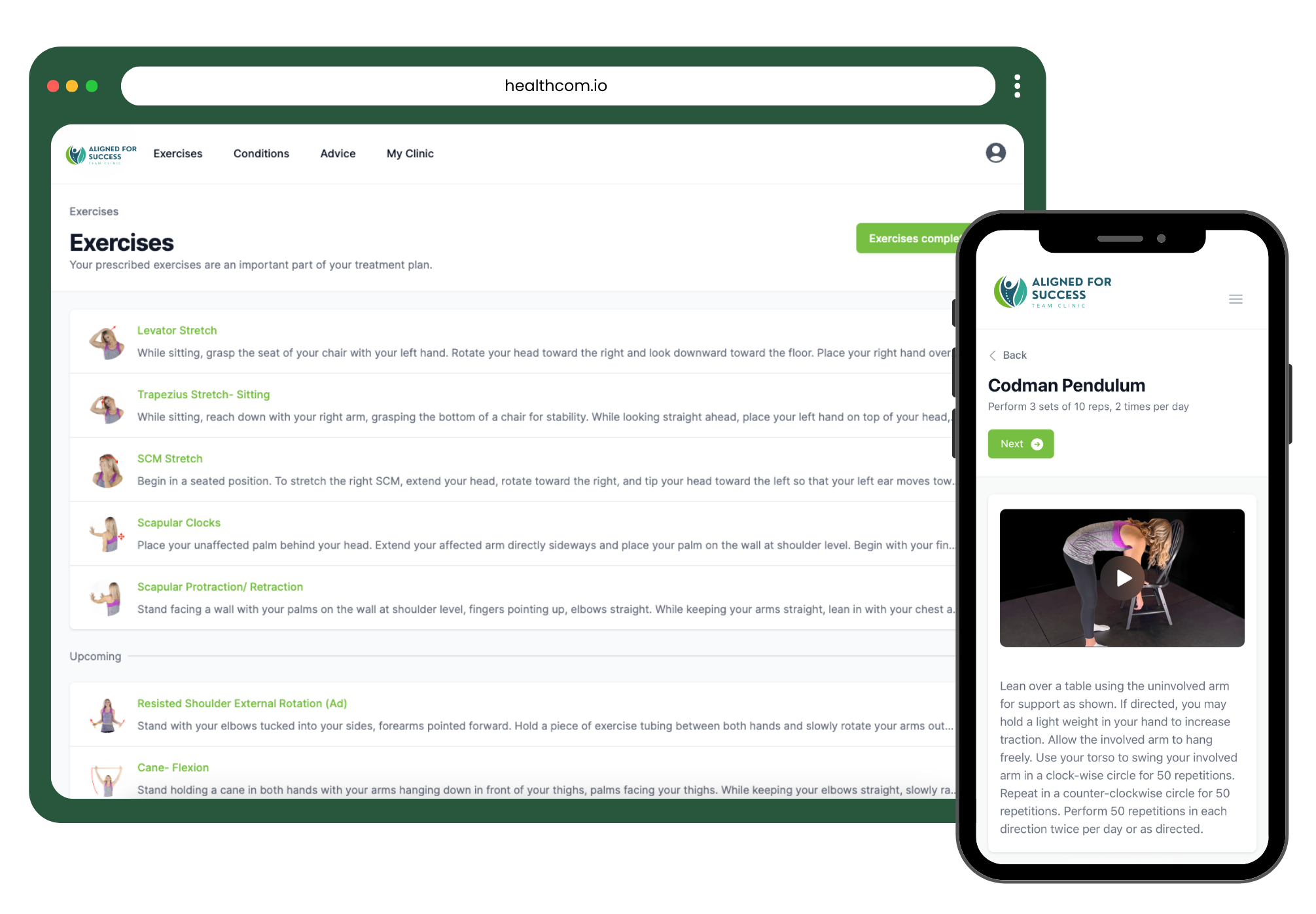
Condition-specific exercises are delivered digitally through a patient-facing app. Updates occur automatically as care evolves, ensuring patients always receive the most accurate guidance.
8. Chiropractic Referrals and Collaborative Care
Delphi recommendation:
Identify and appropriately refer or co-manage patients who require care outside the scope of chiropractic practice, either at the onset of care or when expected progress is not achieved.
System-supported care:
Referral tools streamline communication with other providers, allowing clinicians to send initial, update, and discharge reports with minimal friction.

9. Scheduled Re-Exams That Inform Decisions
Delphi recommendation:
Perform scheduled re-examinations that include outcome measures and use those findings to modify care plans and guide continued care, discharge, or referral.
System-supported care:
Treatment plans include automated re-exam prompts with prior exam findings carried forward for reference, allowing clinicians to easily assess and document objective progress over time.
10. Patient Feedback & Outcome Insight
Delphi recommendation:
Systematically collect patient-reported feedback regarding care experience, outcomes, and satisfaction.
System-supported care:
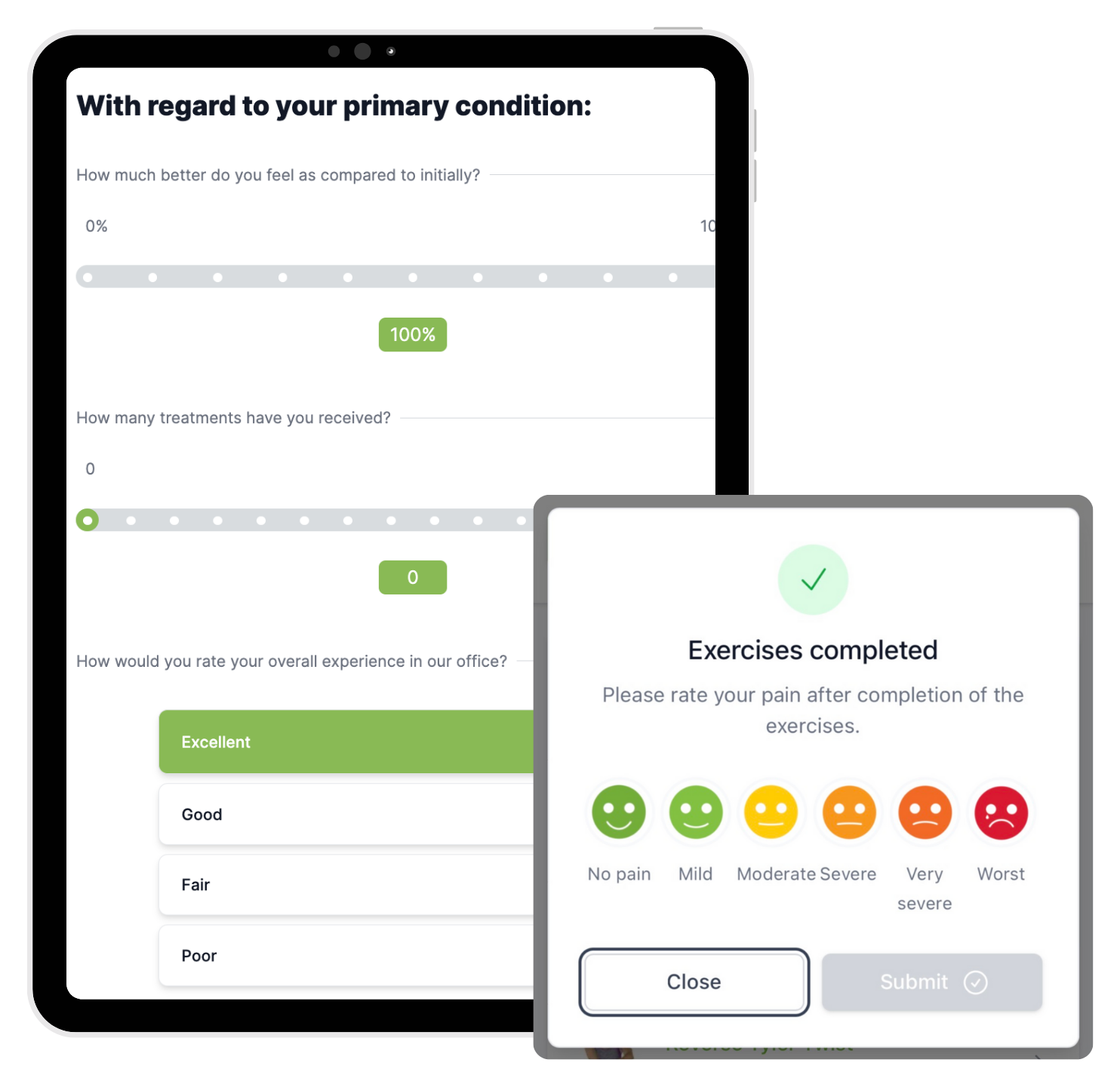
At the completion of care, patient outcomes and satisfaction are captured automatically, supporting individual clinical improvement and strengthening the collective evidence behind chiropractic care.
Conclusion
The Delphi consensus provides a comprehensive framework for delivering high-quality, patient-centered chiropractic care (1). Integrating these standards into daily practice can streamline documentation, enhance patient engagement, and ensure safe and effective care from intake to discharge.
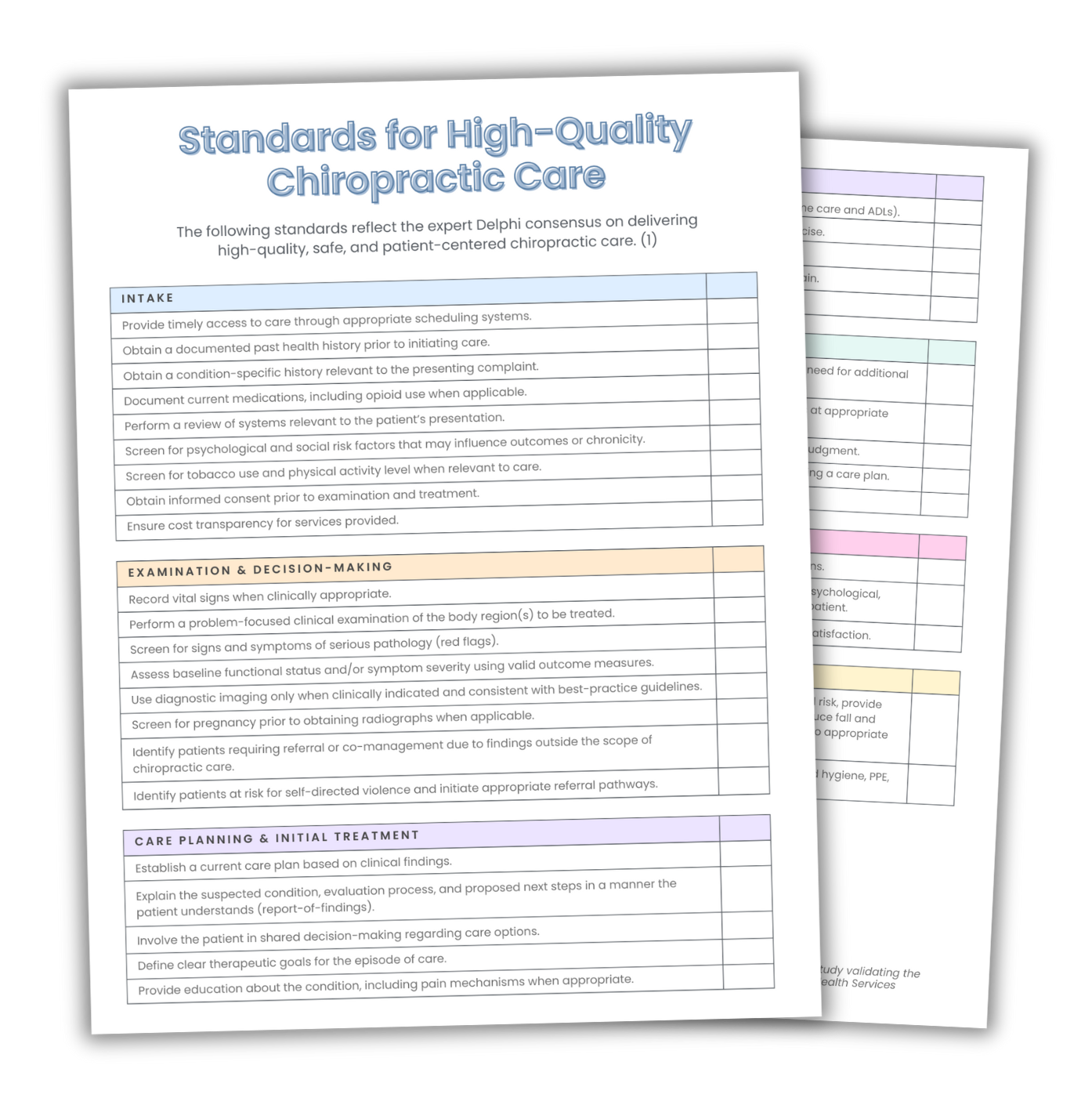
Download our complete clinical checklist, adapted from the full 64 Delphi consensus recommendations, to review all key standards in one place. This tool is designed to help distribute the authors’ excellent work and turn these high-quality care principles into everyday clinical practice.
Want to see how these Delphi-based standards can be implemented in a real clinic? Connect with a ChiroUp specialist to explore how condition-specific intakes, exam guidance, reporting, and outcomes tracking work together to support high-quality chiropractic care. Click below to request a personalized walkthrough.
-
View the original Delphi consensus report containing all 64 expert recommendations below.
1. Vining R, Twist E, Minkalis A, Kleppe M, Kedilaya S. A Delphi panel consensus study validating the appropriateness, relevance, and clarity of quality measures for chiropractic care. BMC Health Services Research. 2025 Dec 16;25(1):1600. Link.