
7 Notalgia Paresthetica Facts Every DC Must Own
Notalgia paresthetica is a frequently overlooked cause of interscapular itching and paresthesia. Fortunately, this common complaint responds quite favorably to chiropractic management.
This blog and video provide a quick synopsis of the essentials you’ll need to become the provider of choice for managing notalgia paresthetica.
1. What Is Notalgia Paresthetica?
Notalgia paresthetica, aka Itchy Back, is a prevalent yet underrecognized cutaneous sensory neuropathy, causing unilateral interscapular itching, paresthesia, or altered sensation. (1) If undiagnosed, the symptoms may last for years. (1,2) And chronic itch can impact the quality of life to the same extent as pain. (3)
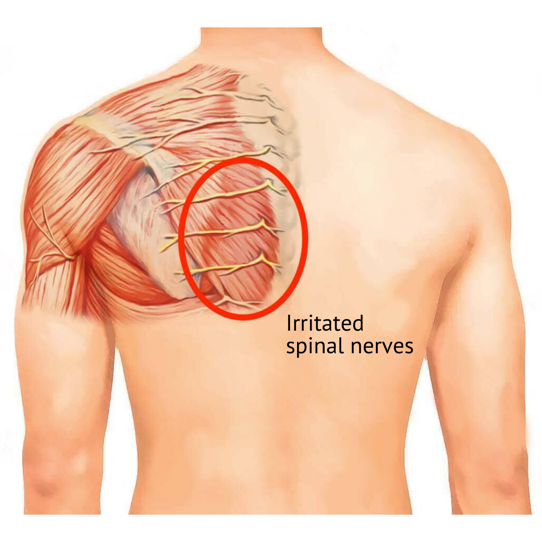
2. What Causes Notalgia Paresthetica?
Irritation to the cutaneous branches of the dorsal spinal nerves causes aberrant nociceptor/ pruriceptor firing, with subsequent symptoms. (1,4-7) Potential triggers include degenerative spinal encroachment or myofascial constriction as the nerves traverse the paraspinal musculature. (1,5,8-18) The cutaneous nerves are thought to be most vulnerable to irritation where they exit the paraspinal muscles at acute angles. (1,8-11,18)

3. Who Gets Notalgia Paresthetica?
The condition typically affects middle-aged and older adults and is rare in pediatric populations. (4,7,20,21) Females represent 62-87% of cases. (4,7,15,19,20) The condition is more common in workstation users and others who must sustain prolonged flexion-biased positions that stretch vulnerable tissues. (4)
4. What Are the Symptoms of Notalgia Paresthetica?
Variable unilateral paresthesia, itching, burning, tingling, or dysesthesia on a small patch of skin between the spine and inferior scapular border, usually between T2-T6. (1,4,5,7,13-15,21) Occasionally, patients display a corresponding hyperpigmented patch secondary to repetitive scratching. (21) The condition is more common on the non-dominant side. (5,7,15) A high percentage of patients suffer from concurrent cervical spine-related issues. (13,22)
5. How is Notalgia Paresthetica Diagnosed?
The diagnosis is based upon the history and exclusion of alternate diagnoses, particularly cervical radiculopathy. (1) The keys to successful subsequent management include identifying: thoracic and cervical spinal joint dysfunction, paraspinal hypertonicity, and postural stressors, including upper crossed syndrome.
6. How is Notalgia Paresthetica Treated?
Clinicians should direct treatment at the underlying musculoskeletal issues instead of masking symptoms. (4,13,23) Primary in-office tools include:
Manipulation of any thoracic or cervical joint restrictions. (1,21,24,25)
Myofascial release and STM to the paraspinal and interscapular muscles.
TENS may provide benefit. (4,12,26)
One study showed that acupuncture resolved neurogenic pruritus complaints (including notalgia paresthetica) in 12 of 16 cases. (27)
7. What Home Care Helps Notalgia Paresthetica?
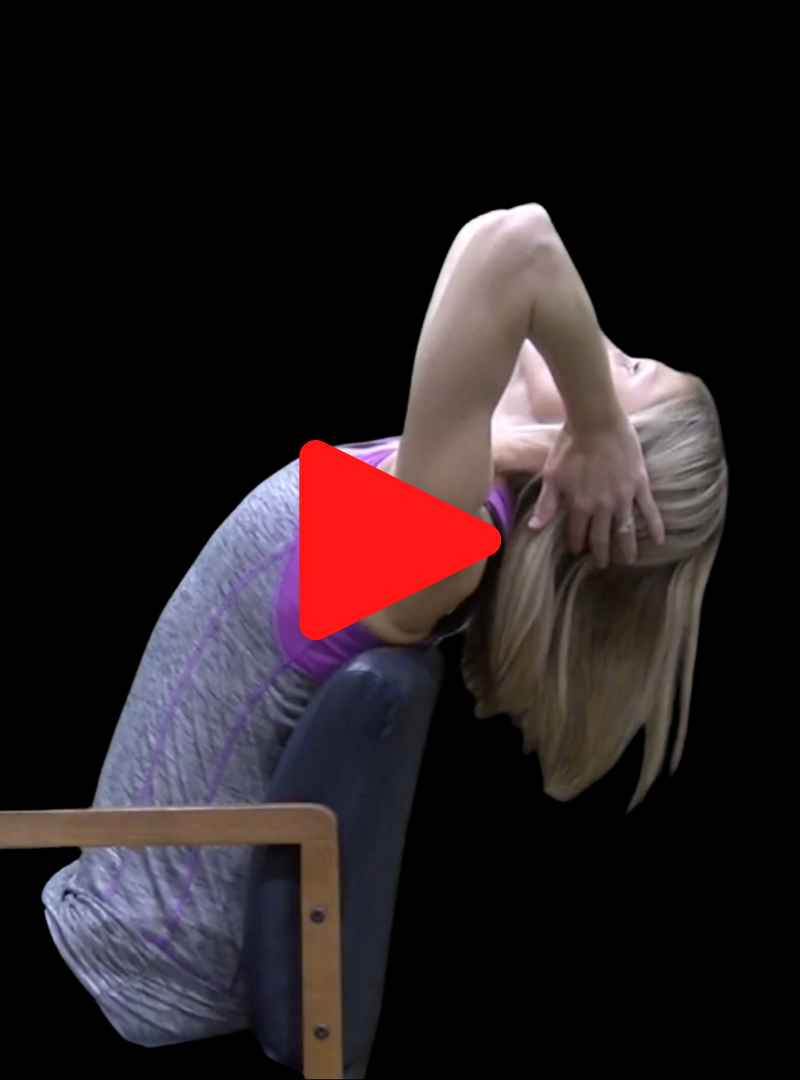
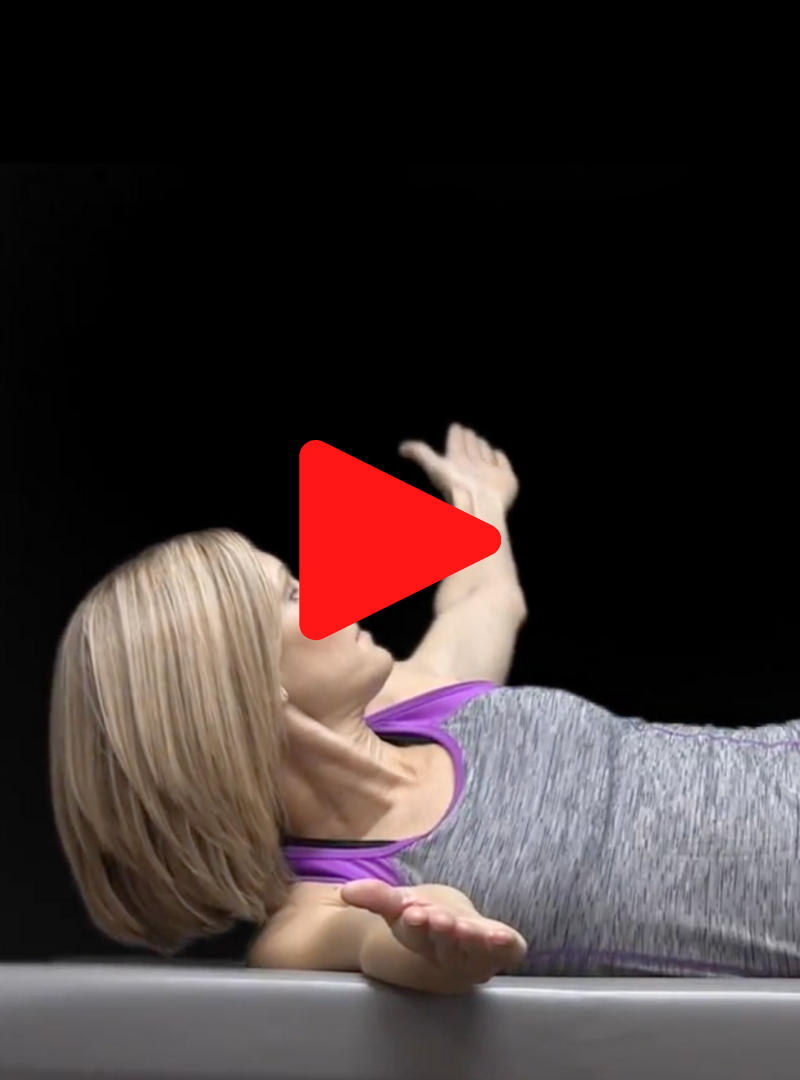
Postural re-education is crucial. Exercises to stretch the pecs and strengthen the upper thoracic spinal extensors may decrease chronic postural stress and reduce the acute exit angle of the cutaneous nerves. (26,28)
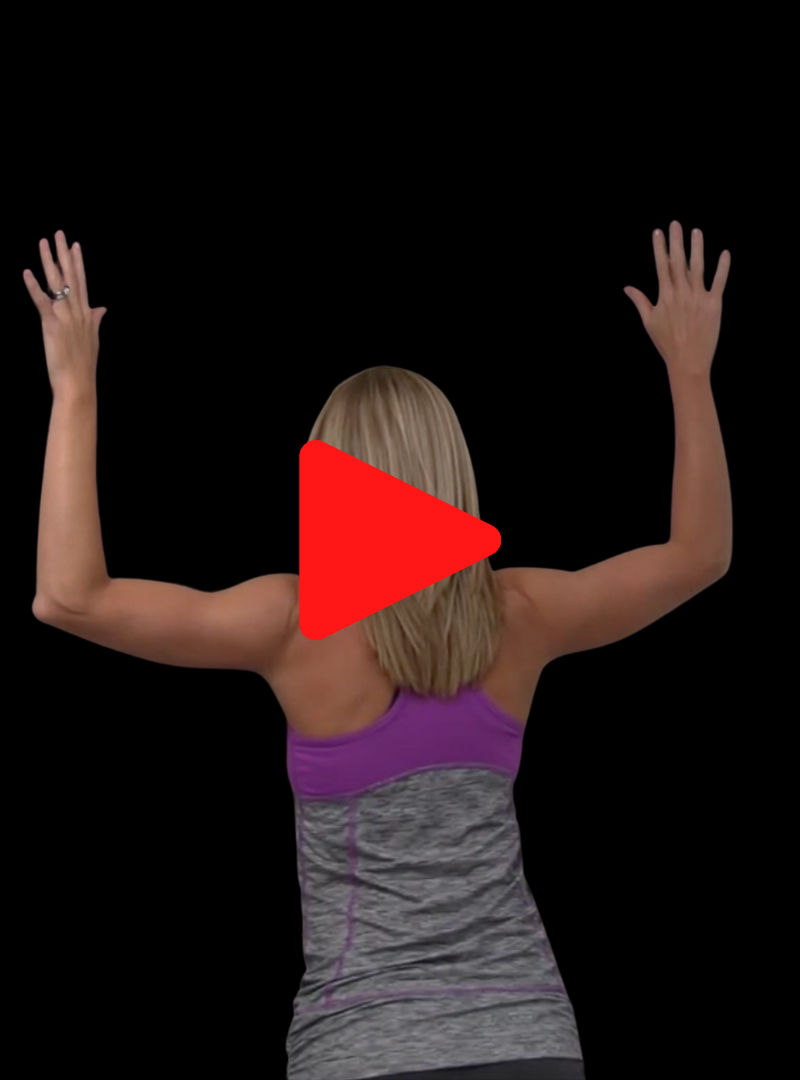
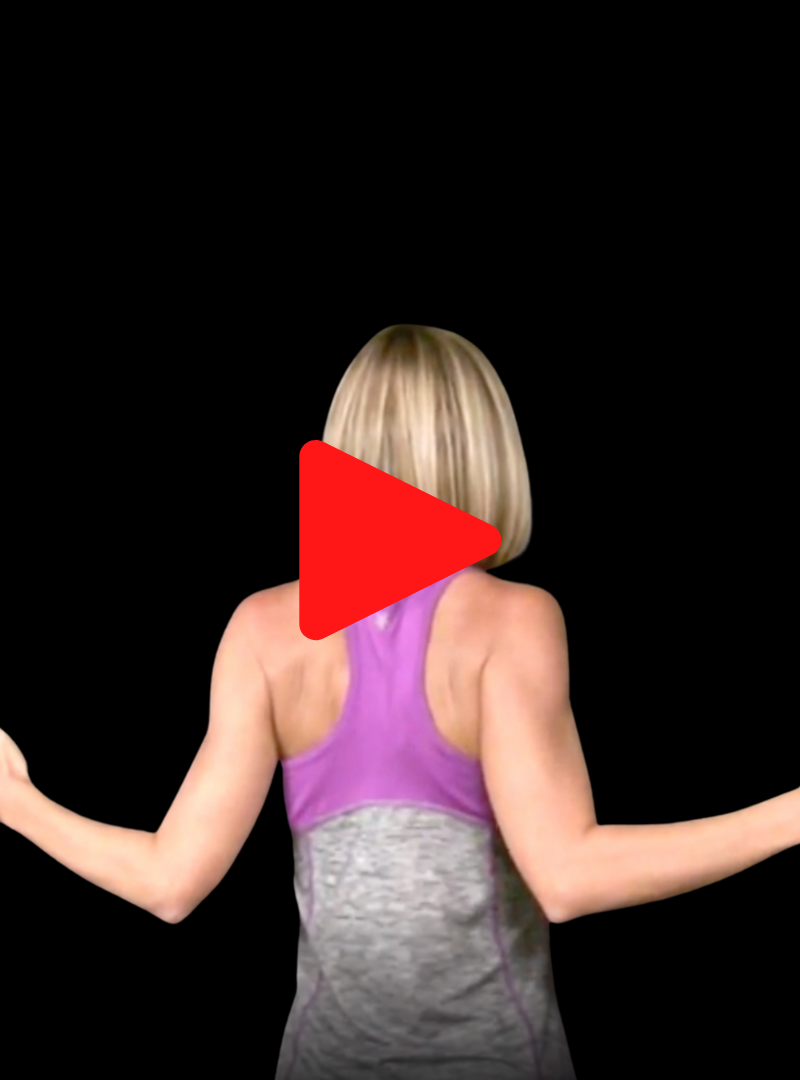
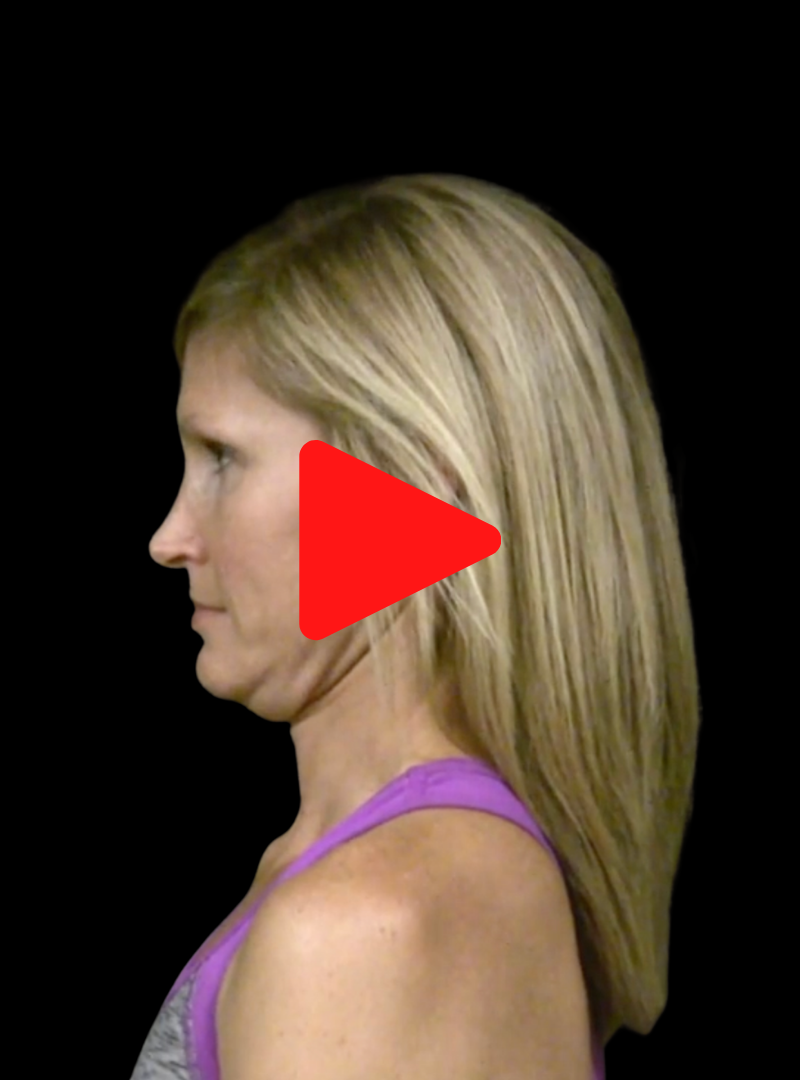
ADL advice must include a discussion of proper workstation ergonomics for seated, standing, and laptop environments. Download all 3 of these patient infographics in ChiroUp’s Forms Library!

Seated Workstation

Laptop Ergonomics

Standing Workstation
Seek alternatives to excessively compressive bra straps.
Capsaicin and counterirritant creams may provide palliative benefit. (29-31) However, antihistamine or steroid creams do not typically provide lasting benefits and may carry undesired side effects. (1,32)
Conclusion
Notalgia paresthetica arises from chronic physical irritation and a dysregulated itch control mechanism. (33-35) Successful management requires identifying and eliminating chronic postural stress, spinal segmental joint dysfunction, and the associated paraspinal muscle hypertonicity. Chiropractors are uniquely suited to be the provider of choice for managing this common, yet frequently underdiagnosed, complaint.
Chiropractic Software That Works for You
Say goodbye to outdated systems and hello to efficiency. Our NEW chiropractic EHR simplifies scheduling, billing, and charting—so you can focus on what matters most: patient care.
-
Ellis C. Notalgia paresthetica: the unreachable itch. Dermatology practical & conceptual. 2013 Jan;3(1):3. Link
Savk O, Savk E. Investigation of spinal pathology in notalgia paresthetica. Journal of the American Academy of Dermatology. 2005 Jun 1;52(6):1085-7. Link
Cevikbas F, Lerner EA. Physiology and pathophysiology of itch. Physiological reviews. 2020 Jul 1;100(3):945-82. Link
Alai AN. Notalgia Parasthetica. Medscape.com. 02/20/2020. Accessed online 12/20/2021 from: https://emedicine.medscape.com/article/1599159-overview. Link
Šitum M, Kolić M, Franceschi N, Pećina M. Notalgia paresthetica. Acta Clinica Croatica. 2018 Dec 1;57(4.):721-5. Link
Pérez-Pérez LC. General features and treatment of notalgia paresthetica. Skinmed. 2011 Nov 1;9(6):353-8. Link
Akram A. Notalgia Paresthetica: Cervical Spine Disease and Neuropathic Pruritus. Cureus. 2021 Jan;13(1). Link
Massey EW, Pleet AB. Electromyographic evaluation of notalgia paresthetica. Neurology. 1981 May 1;31(5):642-. Link
Williams EH, Rosson GD, Elsamanoudi I, Dellon AL. Surgical decompression for notalgia paresthetica: a case report. Microsurgery: Official Journal of the International Microsurgical Society and the European Federation of Societies for Microsurgery. 2010 Jan;30(1):70-2. Link
Şavk E, Şavk ŞÖ, Bolukbasi O, Ccedilulhaci N, Dikicioğlu E, Karaman G, Şendur N. Notalgia paresthetica: a study on pathogenesis. International journal of dermatology. 2000 Oct;39(10):754-60. Link
Raison-Peyron N, Meunier L, Acevedo M, Meynadier J. Notalgia paresthetica: clinical, physiopathological and therapeutic aspects. A study of 12 cases. Journal of the European Academy of Dermatology and Venereology. 1999 May 1;12(3):215-21. Link
ŞAVK E, ŞAVK Ö, ŞENDUR F. Transcutaneous electrical nerve stimulation offers partial relief in notalgia paresthetica patients with a relevant spinal pathology. The Journal of dermatology. 2007 May;34(5):315-9. Link
Notalgia paresthetica. NIH Online. Accessed 12/30/21 from: https://rarediseases.info.nih.gov/diseases/7225/notalgia-paresthetica. Link
Robbins BA, Rayi A, Ferrer-Bruker SJ. Notalgia paresthetica. Link
da Cruz CM, Antunes F. Physical medicine and rehabilitation role on notalgia paresthetica: case report and treatment review. American journal of physical medicine & rehabilitation. 2018 Dec 1;97(12):929-32. Link
16.Pleet AB, Massey EW. Notalgia paresthetica. Neurology. 1978 Dec 1;28(12):1310-. Link
Pećina MM, Krmpotić-Nemanić J, Markiewitz AD. Tunnel Syndromes: Peripheral Nerve Compression Syndromes. 3rd edn. Boca Raton, London, New York, Washington D.C.: CRC Press; 2001. p. 167-70.
Shumway NK, Cole E, Fernandez KH. Neurocutaneous disease: Neurocutaneous dysesthesias. Journal of the American Academy of Dermatology. 2016 Feb 1;74(2):215-28. Link
Şenel E, Holt S, Sabancılar E, Sabancılar Z, Doğruer Şenel S. The etiology of notalgia paresthetica: a descriptive study of 117 patients. Irish Journal of Medical Science (1971-). 2020 Nov;189(4):1311-6. Link
Lipman ZM, Magnolo N, Golpanian RS, Storck M, Yosipovich G, Zeidler C. Comparison of itch characteristics and sleep in patients with brachioradial pruritus and notalgia paresthetica: a retrospective analysis from 2 itch centers. JAAD International. 2021 Mar 1;2:96-7. Link
Notalgia paresthetica. American Osteopathic College of Dermatology. Accessed 12/30/21 from: www.aocd.org/page/NotalgiaParesthetica. Link
Mülkoğlu C, Nacır B. Notalgia paresthetica: clinical features, radiological evaluation, and a novel therapeutic option. BMC neurology. 2020 Dec;20:1-8. Link
Howard M, Sahhar L, Andrews F, Bergman R, Gin D. Notalgia paresthetica: a review for dermatologists. International journal of dermatology. 2018 Apr;57(4):388-92. Link
Richardson BS, Way BV, Speece AJ. Osteopathic manipulative treatment in the management of notalgia paresthetica. Journal of Osteopathic Medicine. 2009 Nov 1;109(11):605-8. Link
Cooley D. Treatment Modalities for Notalgia Paresthetica Including OMT. Osteopathic Family Physician. 2020 Aug 30;12(5):25-9. Link
Fleischer AB, Meade TJ, Fleischer AB. Notalgia paresthetica: successful treatment with exercises. Acta dermato-venereologica. 2011 May 1;91(3):356-7.
Stellon A. Neurogenic pruritus: an unrecognised problem? A retrospective case series of treatment by acupuncture. Acupuncture in Medicine. 2002 Dec;20(4):186-90. Link
Ansari A, Weinstein D, Sami N. Notalgia paresthetica: treatment review and algorithmic approach. Journal of Dermatological Treatment. 2019 Apr 25. Link
Wallengren J, Klinker M. Successful treatment of notalgia paresthetica with topical capsaicin: vehicle-controlled, double-blind, crossover study. Journal of the American Academy of Dermatology. 1995 Feb 1;32(2):287-9. Link
Misery L. What is notalgia paresthetica?. Dermatology. 2002;204(2):86-7. Link
Greaves MW. Pathophysiology and clinical aspects of pruritus. Dermatology in general medicine. 1992:413-21. Link
Howard M, Sahhar L, Andrews F, Bergman R, Gin D. Notalgia paresthetica: a review for dermatologists. International journal of dermatology. 2018 Apr;57(4):388-92. Link
Cohen PR. Notalgia paresthetica: a novel approach to treatment with cryolipolysis. Cureus. 2017 Sep;9(9). Link
Low R, Swanson LA, Swanson DL. Notalgia paresthetica relieved by cervical traction. The Journal of the American Board of Family Medicine. 2017 Nov 1;30(6):835-7. Link