
5 Effective Cervicogenic Headache Treatments
Nearly half of the population experiences headaches, and an estimated 25% are cervicogenic headaches, i.e., stemming from dysfunction in the cervical spine. (1,2) While often overlooked, cervicogenic headaches can be just as debilitating as migraines, especially when compounded by cervical spine dysfunction.
In February 2026, the European Journal of Pain published a comprehensive meta-analysis of 41 randomized controlled trials on cervicogenic headache, confirming that multimodal, non-pharmacological treatment approaches demonstrated the greatest overall effectiveness for managing cervicogenic headache. Treatment combinations that included manual therapy produced the largest reductions in headache intensity, headache frequency, and headache-related disability, outperforming pharmacologic treatments and single-modality interventions such as massage. (21)
This blog distills findings from that paper plus more than a dozen of the most substantial studies published in the past two years, translating the evidence into practical, clinically relevant strategies for managing cervicogenic headache. Along with key research insights, you’ll find video tutorials designed to help you confidently apply essential hands-on and exercise-based techniques in daily practice.
1. Spinal Manipulation for Cervicogenic Headaches
Chiropractors appreciate that cervicogenic headaches stem from mechanical dysfunctions in the upper spine. Given this, it comes as no surprise that mechanical cervicogenic headache treatments, including spinal manipulation, are the most effective therapeutic approach for relieving these headaches.
A JMPT umbrella review of 35 prior systematic reviews confirmed the utility of hands-on therapy, including spinal manipulation, for cervicogenic headache:
“For cervicogenic headache, there was high confidence in the results supporting the use of cervical spine mobilization/manipulation, soft tissue mobilization, and manual therapy combined with exercise.” (3)
While addressing joint dysfunction throughout the cervical and thoracic spine is essential, two recent research studies underscore that cervical manipulation remains the most impactful treatment for cervicogenic headache.
“[This systematic review found HVLA] to the cervical and upper thoracic spine, can lead to a significant reduction in headache frequency and intensity. It looks like upper cervical SMT is the most successful of the many different approaches and procedures….SMT offers not only the potential for long-term benefits but also the possibility of immediate improvement for cervicogenic headache patients.” (4)
“Cervical spine manipulation resulted in significantly better improvements in pain parameters (intensity, frequency and threshold) functional disability and quality of life in patients with cervicogenic headache than thoracic spine manipulation and conventional physiotherapy.” (5)
Deeper Dive: Check out our Chiropractic Safety Toolkit for research-backed insights on the effectiveness and safety of spinal manipulation.
2. Self-Mobilization (SNAGS) for Cervicogenic Headaches
SNAG exercises (Sustained Natural Apophyseal Glides) have emerged as another valuable tool for managing cervicogenic headaches. SNAG exercises offer patients a way to complement your care and actively participate in their recovery. Studies have confirmed that this simple yet effective self-mobilization technique helps improve outcomes and extend the benefits of in-office care.
“In people with cervicogenic headache, adding [SNAGs] to exercise improved: headache frequency, intensity and duration; headache-related disability; upper cervical rotation; and patient satisfaction.” (6)
“Both SNAGs and [neck & jaw postural correction] exercises were effective for the treatment of cervicogenic headache but the effects of headache SNAG were superior and produced more improvement in intensity of headache, disability, frequency of headache, duration of headache” (7)
One recent study (performed by physical therapists) found SNAG exercise for cervicogenic headache was even more effective than spinal manipulation and massage therapy. (8) 🤔
ChiroUp subscribers can access tutorials for the SNAG exercise for cervicogenic headaches in their Clinical Skills tab.

Cervicogenic Headache SNAG

C1-C2 Rotation SNAG
Deeper Dive: Check out this prior blog detailing snag exercises for cervicogenic headaches.
3. Manual Therapy for Cervicogenic Headaches
Research has again highlighted that spinal manipulation and mobilization are even more effective treatments for cervicogenic headache when combined with targeted manual therapy, leading to superior outcomes.
[Myofascial release techniques of the suboccipital muscles] “can significantly alleviate pain and disability in tension-type headache and cervicogenic headache… [including] significant reductions in pain intensity [SMD −2.01], and in disability.” (9)
One of the most potent manual therapy techniques may be suboccipital nerve flossing. Why? Adhesions along the course of the nerve can form due to trauma or inflammation, restricting normal neurodynamics and contributing to persistent headaches. Nerve flossing helps restore nerve mobility and reduce irritation.
Research confirms that combining neural mobilization with soft tissue techniques leads to significant improvements in pain and function in patients with tension-type or cervicogenic headaches (10).

Nerve Floss- Suboccipital
Deeper Dive: Watch this Neurodynamics 101 video for a quick breakdown!
4. Exercises for Cervicogenic Headaches
Dysfunction in the upper cervical joints is a hallmark feature of cervicogenic headaches. This often develops due to chronic muscular imbalances and prolonged poor posture. A typical pattern seen in cervicogenic headache patients includes weakened deep neck flexors paired with overactive sternocleidomastoid (SCM) and upper trapezius muscles, i.e., Upper Crossed Syndrome. (11,12) To assess for neck flexor weakness, clinicians can utilize the Neck Flexion Test or the Deep Neck Flexor Endurance Test (11,13,14).

Neck Flexion Test
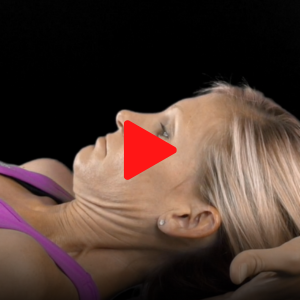
Deep Neck Flexor Endurance Test
Once dysfunction or weakness is identified in the deep neck flexors, prescribing the right exercises can significantly improve long-term outcomes. For example, while manual treatments can provide relief for a plantar fasciitis patient, we wouldn’t expect that relief to last if we didn’t address the underlying issue of chronic hyperpronation. Similarly, when treating cervicogenic headaches, we shouldn’t expect the benefits of manipulation to be long-lasting unless we also address the concurrent postural dysfunction that is likely perpetuating the problem.
In addition to the SNAG exercise described above, several other cervicogenic headache exercises are available for ChiroUp subscribers in their Clinical Skills Library.

Cervical Retraction

Deep Neck Flexor Strengthening
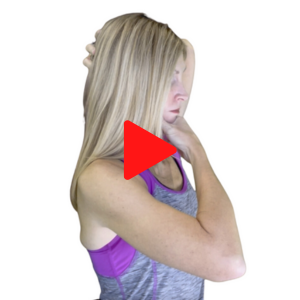
Suboccipital Stretch with Overpressure
5. ADL Advice for Cervicogenic Headaches
Even the most effective cervicogenic headache treatments can fall short if patients continue to reinforce the same dysfunction in their daily routines. Educating patients on proper habits is crucial for breaking the cycle of cervicogenic headaches and ensuring lasting relief.
“All publications recommended education in the management of headaches… Based on this scoping review, therapeutic patient education seems supported” (15)
One of the most profound impacts comes from optimizing workstation ergonomics. Proper ergonomic workstation setup can help reduce strain on the cervical spine, minimizing headache frequency and intensity while improving short- and long-term outcomes.
[The group who received ergonomic modifications] “showed more significant changes in primary outcome cervicogenic headache frequency; 3.63 to 5.56 when compared to control group. The same gradual improvement was noticed at 8 weeks and at 6 months follow up… which is statistically 52.97% improvement. Similar improvements can be seen in the secondary outcome measures such as cervicogenic headache pain intensity, cervicogenic headache disability, flexion rotation test (right and left), neck disability index and work ability.” (16)
As you can see, delivering the best care for cervicogenic headaches requires not only the right mix of diagnosis and treatment but also up-to-date, evidence-based exercises and ADL advice. See how ChiroUp can help you achieve that in just a few clicks—try it out yourself below!
6. Honorable Mentions
Beyond the core treatments for cervicogenic headaches, several other techniques have shown promise in both research and clinical practice. While not always first-line, options like acupuncture, traction, shockwave, and IASTM may offer valuable relief.
Dry Needling for Cervicogenic Headaches
“The highest-ranked interventions for both intensity and frequency reduction included manual therapy combined with dry needling.” (21) (Meta-analysis of 41 RCTs)
*This concurs with prior systematic reviews and RCTs showing that dry needling is an effective tool for cervicogenic headache patients. (22-24)
Acupuncture for Cervicogenic Headaches
“Acupuncture treatment is effective for cervicogenic headache relief and worthy of clinical application.” (17) (Meta-analysis of 30 RCTs)
Traction for Cervicogenic Headaches
“The blend of conventional rehabilitation alongside 12 kg (~25 lbs) mechanical intermittent cervical traction seems to be efficacious in diminishing both the intensity and frequency of cervicogenic headache…These advantages appear to last for up to six months following the treatment period, potentially leading to decreased cervicogenic headache severity and occurrence rates.” (18) (Randomized clinical trial of 36 patients)
Shockwave (to trapezius trigger points) for Cervicogenic Headaches
“There was a significant difference of headache disability index, visual analog scale scores, and upper trapezius electromyographic characteristics in favor of the shock wave group.” (19) (Randomized clinical trial of 50 patients)
IASTM for Cervicogenic Headaches
“Spinal manipulation therapy with instrument assisted soft tissue mobilization provided better long-term outcomes [versus SMT alone] in patients with cervicogenic headache”. (20) (Randomized clinical trial of 64 patients)
Deeper Dive: Want to learn more about the best treatments for cervicogenic headaches? Join Dr. Bertelsman and Dr. Steele from ChiroUp in this webinar providing Top Tools for Managing Cervicogenic and Migraine Headaches.
Conclusion
With a growing body of evidence supporting spinal manipulation, self-mobilization, manual therapy, targeted exercises, and ergonomic interventions, chiropractors have more tools than ever to effectively manage cervicogenic headaches.
By integrating these proven strategies into our care, we can deliver faster relief, improve long-term outcomes, and position ourselves as leaders in cervicogenic headache treatment.
Want to streamline the process? Let ChiroUp handle the heavy lifting with evidence-based treatment plans, guided rehab progressions, and ready-to-use patient education—so you can focus on delivering exceptional results with confidence.
-
1. Stovner LJ, Hagen K, Jensen R, Katsarava Z, Lipton RB, Scher AI, Steiner TJ, Zwart JA. The global burden of headache: a documentation of headache prevalence and disability worldwide. Cephalalgia. 2007 Mar;27(3):193-210. Link
2. Racicki S, Gerwin S, DiClaudio S, Reinmann S, Donaldson M. Conservative physical therapy management for the treatment of cervicogenic headache: a systematic review. Journal of manual & manipulative therapy. 2013 May 1;21(2):113-24. Link
3. Reynolds B, McDevitt A, Kelly J, Mintken P, Clewley D. Manual physical therapy for neck disorders: an umbrella review. Journal of Manual & Manipulative Therapy. 2025 Jan 2;33(1):18-35. Link
4. Patil Sr DS, Tikhile P, Gangwani N, Gangwani Jr N. Effectiveness of Nonpharmacological Measures on Improving Headache Score, Strength, Pain, and Quality of Life in Cervicogenic Headaches: A Systematic Review. Cureus. 2024 Mar 31;16(3). Link
5. Nambi G, Alghadier M, Eltayeb MM, Aldhafian OR, Saleh AK, Alsanousi N, Albarakati AJ, Omar MA, Ibrahim MN, Attallah AA, Ismail MA. Comparative effectiveness of cervical vs thoracic spinal-thrust manipulation for care of cervicogenic headache: A randomized controlled trial. Plos one. 2024 Mar 29;19(3):e0300737. Link
6. Satpute K, Bedekar N, Hall T. Mulligan manual therapy added to exercise improves headache frequency, intensity and disability more than exercise alone in people with cervicogenic headache: a randomised trial. Journal of Physiotherapy. 2024 Jul 1;70(3):224-33. Link
7. Murtza S, Noor R, Bashir MS, Ikram M. Effects of sustained natural apophyseal glides versus rocabado 6× 6 program in subjects with cervicogenic headache. BMC Musculoskeletal Disorders. 2024 Feb 22;25(1):169. Link
8. Nambi G, Alghadier M, Ebrahim EE, Vellaiyan A, Tedla JS, Reddy RS, Kakaraparthi VN, Aldhafian OR, Alshahrani NN, Saleh AK. Comparative Effects of Mulligan’s Mobilization, Spinal Manipulation, and Conventional Massage Therapy in Cervicogenic Headache—A Prospective, Randomized, Controlled Trial. InHealthcare 2022 Dec 29 (Vol. 11, No. 1, p. 107). MDPI. Link
9. Lu Z, Zou H, Zhao P, Wang J, Wang R. Myofascial Release for the Treatment of Tension‐Type, Cervicogenic Headache or Migraine: A Systematic Review and Meta‐Analysis. Pain Research and Management. 2024;2024(1):2042069. Link
10. Ferragut-Garcías A, Plaza-Manzano G, Rodríguez-Blanco C, Velasco-Roldán O, Pecos-Martín D, Oliva-Pascual-Vaca J, Llabrés-Bennasar B, Oliva-Pascual-Vaca A. Effectiveness of a treatment involving soft tissue techniques and/or neural mobilization techniques in the management of tension-type headache: a randomized controlled trial. Archives of physical medicine and rehabilitation. 2017 Feb 1;98(2):211-9. Link
11. Page P, Frank CC, Lardner R. Assessment and treatment of muscle imbalance. (No Title). 2010. Link
12. Falla DL, Jull GA, Hodges PW. Patients with neck pain demonstrate reduced electromyographic activity of the deep cervical flexor muscles during performance of the craniocervical flexion test. Spine. 2004 Oct 1;29(19):2108-14. Link
13. Domenech MA, Sizer PS, Dedrick GS, McGalliard MK, Brismee JM. The deep neck flexor endurance test: normative data scores in healthy adults. PM&R. 2011 Feb 1;3(2):105-10. Link
14. Harris KD, Heer DM, Roy TC, Santos DM, Whitman JM, Wainner RS. Reliability of a measurement of neck flexor muscle endurance. Physical therapy. 2005 Dec 1;85(12):1349-55. Link
15. GRANITZER M, MINGELS S, Luedtke K, Dankaerts W. Therapeutic Patient Education as Part of the Physiotherapy Management of Adults with Headache: A Scoping Review. Link
16. Nambi G, Alghadier M, Pakkir Mohamed SH, Vellaiyan A, Ebrahim EE, Sobeh DE, Kashoo FZ, Albarakati AJ, Alshahrani NA, Eswaramoorthi V. Combined and isolated effects of workstation ergonomics and physiotherapy in improving cervicogenic headache and work ability in office workers: a single-blinded, randomized controlled study. Frontiers in Public Health. 2024 Nov 28;12:1438591. Link
17. Liu Z, Gao X, Zhang X, Qu Y. Meta-analysis of acupuncture treatment for cervicogenic headache. World Neurosurgery. 2024 May 18. Link
18. Jellad A, Kalai A, Chaabeni A, Nasrallah CB, Nsir AB, Jguirim M, Sriha AB, Frih ZB, Bedoui MH. Effect of cervical traction on cervicogenic headache in patients with cervical radiculopathy: a preliminary randomized controlled trial. BMC Musculoskeletal Disorders. 2024 Oct 24;25(1):842. Link
19. Hammam RF, Alshimy AM, Elabd OM, Elabd AM. Effect of Extracorporeal shock wave on upper trapezius trigger points in patients with cervicogenic headache: A Randomized Clinical Trial. American Journal of Physical Medicine & Rehabilitation. 2024 Jul 3:10-97. Link
20. Hammam RF, Alshimy AM, Elabd OM, Elabd AM. Effect of Extracorporeal shock wave on upper trapezius trigger points in patients with cervicogenic headache: A Randomized Clinical Trial. American Journal of Physical Medicine & Rehabilitation. 2024 Jul 3:10-97. Link
21. Koonalinthip N, Koonalintip P, Stonsaovapak C. The Comparative Efficacy of Treatments for Cervicogenic Headache: A Systematic Review and Network Meta‐Analysis of Randomised Controlled Trials. European Journal of Pain. 2026 Feb;30(2):e70219. Link
22. Vázquez-Justes D, Yarzábal-Rodríguez R, Doménech-García V, Herrero P, Bellosta-López P. Analysis of the effectiveness of the dry puncture technique in headaches: systematic review. Neurology. 2020 Jan 13. Link
23. Dunning J, Butts R, Zacharko N, Fandry K, Young I, Wheeler K, Day J, Fernández-de-las-Peñas C. Spinal manipulation and perineural electrical dry needling in patients with cervicogenic headache: a multi-center randomized clinical trial. The Spine Journal. 2020 Oct 13. Link
24. Vázquez-Justes D, Yarzábal-Rodríguez R, Doménech-García V, Herrero P, Bellosta-López P. Effectiveness of dry needling for headache: A systematic review. Neurología (English Edition). 2022 Jun 2. Link